
Amazon Flex Peak Season Guide 2026
Maximize Your Holiday Earnings
Table of Contents
As an Amazon Associate, we earn from qualifying purchases.
Peak Season Essentials
- Oasser Trunk Organizer - Handle high package volumes efficiently
- Anker PowerCore 20000mAh - All-day power for long holiday blocks
- GearLight LED Flashlight - Essential for evening deliveries
- Hydro Flask 32oz Water Bottle - Stay hydrated during busy shifts
- Carhartt Insulated Gloves - Handle packages in cold weather
1. Introduction: The Peak Season Opportunity

Peak season is when Amazon Flex transforms from a side gig into a potential goldmine. During these high-demand periods, Prime Day, Black Friday, and the Christmas rush, drivers who prepare properly and work strategically can earn in weeks what normally takes months. The combination of surge pricing, abundant block availability, and increased base rates creates earning opportunities unlike any other time of year.
In 2026, Amazon continues to expand its same-day and next-day delivery promises, making the Flex driver network more critical than ever during peak periods. This means more blocks, higher pay, and more opportunities for drivers who are ready to capitalize on the rush.
Peak Season by the Numbers (2026 Projections)
- • Block availability: 200-300% increase vs. normal periods
- • Surge rates: $5-15+ above base during high-demand windows
- • Weekly earnings potential: $1,500-3,500 for full-time drivers
- • Christmas week specifically: Some drivers report $4,000+ weeks
- • Fresh/WF tips: 20-40% higher due to holiday generosity
This guide will prepare you to maximize every aspect of peak season, from grabbing the best blocks to maintaining your health during the marathon of holiday deliveries. Whether this is your first peak season or you're a veteran looking to optimize, you'll find actionable strategies to boost your earnings.
2. 2026 Peak Season Calendar
Understanding when peak periods occur allows you to plan your schedule, prepare your vehicle, and position yourself for maximum earnings. Here's the complete 2026 peak season calendar with intensity ratings.
Major Peak Events
Prime Day 2026
Expected: Mid-July (2 days)
Amazon's biggest sale event drives massive order volume. Expect surge pricing 24-48 hours before through 48 hours after. Block availability spikes dramatically.
Prime Big Deal Days
Expected: Early-Mid October (2 days)
Fall version of Prime Day, typically 2 days. Great surge opportunities and a preview of holiday logistics. Good practice run for the main holiday rush.
Black Friday/Cyber Monday Week
November 27 - December 3, 2026
The traditional shopping frenzy creates sustained high demand for an entire week. Surge pricing often appears throughout the day, not just peak hours.
Christmas Rush
December 1-24, 2026
The longest and most intense peak period. Demand increases progressively, peaking December 18-23 when last-minute shoppers create desperate delivery needs.
Secondary Peak Periods
Valentine's Day Week
Feb 8-14: Moderate surge, especially for Fresh/WF blocks with gift items.
Mother's Day Week
May 4-10: Good surge opportunities, especially Sunday morning blocks.
Back to School
Late July - Early Sept: Sustained moderate demand increase.
Father's Day Week
June 15-21: Moderate peak, similar to Mother's Day.
Mark Your Calendar Now
Set reminders 2-3 weeks before each major peak to begin preparation. Clear your personal schedule, arrange childcare if needed, and ensure your vehicle is serviced. The drivers who plan ahead capture the best opportunities.
3. Understanding Surge Pricing
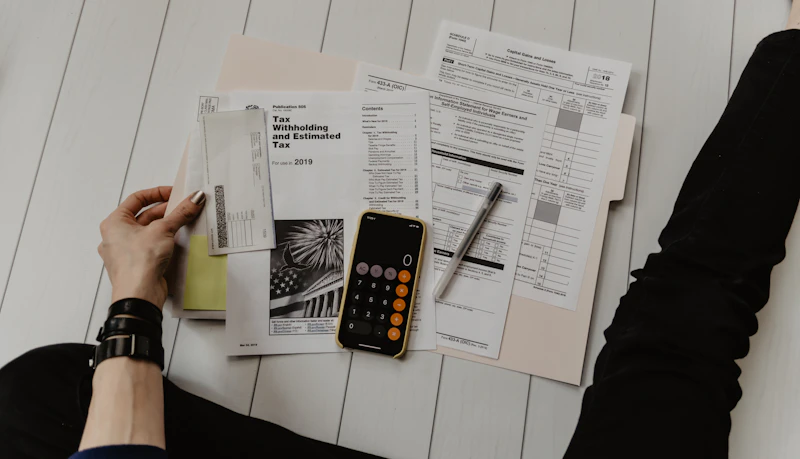
Surge pricing is the mechanism Amazon uses to attract drivers during high-demand periods. Understanding how it works, and when to expect it, allows you to strategically time your block grabbing for maximum earnings.
How Surge Pricing Works
The Amazon Algorithm
Amazon's system monitors package volume, available drivers, and time until delivery windows close. When the ratio becomes unfavorable (too many packages, too few drivers), the algorithm automatically increases block rates to attract more drivers.
- • Level 1 surge: $3-5 above base rate (moderate demand)
- • Level 2 surge: $6-10 above base rate (high demand)
- • Level 3 surge: $11-15+ above base rate (desperate demand)
- • Maximum surges: Some markets see $25+ above base during Christmas week
When Surges Typically Appear
Daily Patterns
- • Morning: 5-8 AM for same-day packages
- • Midday: Less common, except peak season
- • Evening: 4-8 PM for end-of-day deliveries
- • Late night: 8-11 PM during peak season
Weekly Patterns
- • Monday: Often surges from weekend orders
- • Tuesday-Thursday: Lower surge frequency
- • Friday: Weekend prep causes afternoon surges
- • Weekend: Variable, often steady during peak
Surge Hunting Strategies
Maximize Your Surge Earnings
- ✓ Watch, don't grab immediately: If you see a small surge, wait 15-30 minutes, it may increase
- ✓ Know your market's patterns: Some stations surge earlier than others
- ✓ Check multiple stations: Different locations may have different surge levels
- ✓ Use scheduled blocks as backup: Reserve lower-pay blocks, then cancel if surges appear
- ✓ Be ready to grab instantly: High surges disappear in seconds
The Surge Timing Dilemma
Here's the balance: wait too long for a higher surge, and all blocks may be taken. Grab too early, and you might miss a better rate. During peak season, err on the side of grabbing, a $22/hour block is better than no block at all. During normal times, you can afford to be more patient.
Don't Get Greedy
Some drivers wait endlessly for "perfect" surges and end up with nothing. Remember: the goal is maximum total earnings, not maximum per-block earnings. Three $25-an-hour blocks beat one $30-an-hour block.
4. Pre-Peak Preparation Checklist
The drivers who earn the most during peak season are those who prepare weeks in advance. Use this comprehensive checklist to ensure you're ready to capitalize on every opportunity.
2-3 Weeks Before Peak
Account & Standing
- ☐ Verify your standing is "Fantastic" or at minimum "Great"
- ☐ Check for any account warnings or issues
- ☐ Update your profile information if needed
- ☐ Ensure your payment information is current
- ☐ Review your delivery history for patterns to improve
Vehicle Preparation
- ☐ Full vehicle service (oil, brakes, fluids, filters)
- ☐ Tire inspection and rotation; consider new tires if worn
- ☐ Battery test (cold weather can kill weak batteries)
- ☐ Wiper blade replacement
- ☐ Headlight and taillight check
- ☐ Heater/defroster function test
- ☐ Deep clean interior and cargo area
- ☐ Emergency kit fully stocked
Supplies & Equipment
- ☐ Multiple phone chargers (car and portable battery)
- ☐ Phone mount in optimal position
- ☐ High-quality flashlight with fresh batteries
- ☐ Headlamp for hands-free lighting
- ☐ Rain gear (jacket, waterproof shoes)
- ☐ Cold weather gear (gloves, hat, layers)
- ☐ Comfortable, supportive footwear
- ☐ Water bottles and healthy snacks
- ☐ Hand warmers for cold deliveries
1 Week Before Peak
Schedule & Personal
- ☐ Clear your calendar for maximum availability
- ☐ Arrange childcare/pet care if needed
- ☐ Prep meals in advance for long work days
- ☐ Stock up on groceries to minimize errands
- ☐ Inform family of your intensive schedule
- ☐ Set sleep schedule for early morning blocks
Tech Preparation
- ☐ Download offline maps for your delivery region
- ☐ Update Flex app to latest version
- ☐ Update phone operating system
- ☐ Clear phone storage for photo storage
- ☐ Test app notifications are enabled
- ☐ Save station addresses in maps app
The Stamina Factor
Peak season is a marathon, not a sprint. Start ramping up your activity 2-3 weeks before major peaks. If you've been doing 2 blocks per week, increase to 4, then 6. Your body needs to adjust to the physical demands of full-time delivery work.
5. Block Grabbing Strategies

During peak season, block competition intensifies, but so does availability. The right strategy helps you capture the best-paying blocks while building a consistent schedule.
Multi-Pronged Approach
1. Schedule Reserved Blocks as Backup
Reserve base-rate blocks in advance for your core schedule. These guarantee you have work even if you miss surge opportunities. You can always forfeit (with proper notice) if better options appear.
2. Hunt Surge Blocks Actively
Refresh the app frequently during known surge windows. During peak season, check every 15-30 minutes during high-demand periods. Have your finger ready to tap instantly when surges appear.
3. Check Multiple Stations
Different stations surge at different times. If your primary station shows no availability, check others within reasonable driving distance. A 20-minute drive is worth it for a $15 surge.
4. Watch for Last-Minute Drops
Other drivers forfeit blocks, creating sudden availability, often with surge pricing applied. Check frequently in the 1-2 hours before block times for these opportunities.
Prime Block Times During Peak Season
Highest Demand Windows
Morning Rush:
- • 5:00 AM - 8:00 AM blocks
- • Same-day delivery fulfillment
- • Often highest surge rates
Evening Push:
- • 4:00 PM - 9:00 PM blocks
- • End-of-day delivery crunch
- • Consistent surge opportunities
The Reserved Block Forfeit Strategy
During peak season, some drivers reserve multiple base-rate blocks, then forfeit the lower-paying ones (within policy) when surge blocks become available. This requires careful timing:
- • Forfeit at least 45 minutes before block start to avoid penalties
- • Don't forfeit so often that it affects your standing
- • Always have at least one backup block confirmed
Fresh/Whole Foods During Peak
Grocery delivery blocks can be especially lucrative during the holidays. Tips increase as customers are in generous moods, and grocery demand spikes for holiday cooking. These blocks often don't surge as dramatically in base rate but can yield $40-60+ in tips alone during Christmas week.
6. Managing High Package Volumes
Peak season means more packages per route. Routes that normally have 35 packages might have 45-50 during the Christmas rush. Managing this increased volume efficiently is key to finishing on time and maintaining your rating.
Loading Strategies
Peak Season Loading System
- Totes in order: Keep totes/bags in delivery sequence, first stops most accessible
- Overflow visible: Large overflow packages where you can see labels easily
- Divide by area: Group packages by zip code or neighborhood for quick identification
- Secure everything: More packages means more shifting, use cargo straps or bins
- Clear your path: Ensure you can always reach the back without climbing over packages
High-Volume Delivery Tips
At Each Stop
- • Know your next 3 packages, not just the next one
- • Multi-package stops: grab all at once
- • Have your phone ready before exiting
- • Maintain urgency without rushing
Route Management
- • Trust the route sequence more during peak
- • Skip problem stops temporarily, return later
- • Prioritize on-time delivery over perfection
- • Don't waste time on impossible situations
Dealing with Oversized Routes
When Your Route is Impossible
Sometimes peak season routes are genuinely too large to complete in the allotted time. If you realize early that your route is unrealistic:
- Contact support before you're late, not after
- Document that you're working efficiently (don't take breaks)
- Prioritize packages with earlier delivery windows
- Return undelivered packages to the station promptly
- Note the situation for your records in case of rating impact
Don't Let Volume Affect Quality
The pressure to deliver more packages faster can lead to sloppy work, poor photos, packages thrown rather than placed, skipped delivery notes. Resist this temptation. Your rating matters more than completing every package. A missed package can be redelivered; a damaged package or complaint affects your account permanently.
7. Route Efficiency During Rush
During peak season, shaving even 30 seconds off each stop compounds into significant time savings, the difference between finishing on time and running late. Here are advanced efficiency techniques for high-volume periods.
Time-Saving Techniques
Pre-Scan While Parked
Before exiting your vehicle, have the package scanned and the delivery type selected. You should only need to take a photo and confirm when you reach the door.
Photo While Placing
Take your delivery photo as you're placing the package, not after. This saves the pause of setting down, stepping back, photographing, then walking away.
Confirm While Walking
Submit your delivery confirmation as you walk back to your car. By the time you reach your door, you should be loading your next address into navigation.
Batch Similar Stops
When you have multiple stops in an apartment complex or on the same street, grab all packages at once and walk them in sequence.
Common Time Wasters to Eliminate
- ✗ Searching for packages: Know exactly where each package is before you stop
- ✗ Extended customer conversations: Be friendly but brief; you're on the clock
- ✗ Perfect parking: Legal and safe is enough; don't circle for optimal spots
- ✗ Navigation hesitation: Trust your GPS even if it seems slightly off
- ✗ Excessive photo retakes: If it's clear enough to identify the location, it's good enough
- ✗ Long problem-solving: After 3-5 minutes on an issue, move on and return later
The 30-Second Per Stop Improvement
Saving 30 seconds per stop on a 45-package route saves 22.5 minutes. That's the difference between finishing comfortably and rushing. Over a peak season day with 100+ packages, it's nearly an hour, potentially an extra block worth of earnings.
8. Driver Health & Burnout Prevention

Peak season earnings are tempting, but pushing too hard leads to mistakes, reduced efficiency, and potential injury. The most successful peak season drivers maintain their health to perform consistently throughout the entire period.
Physical Health Management
Hydration & Nutrition
- • Bring water for every block, drink regularly
- • Pack protein-rich snacks (nuts, cheese, jerky)
- • Avoid heavy meals that cause sluggishness
- • Limit caffeine to avoid crashes
- • Eat a real meal between blocks, not just snacks
Physical Care
- • Stretch before and after each block
- • Wear supportive, comfortable footwear
- • Lift packages properly (legs, not back)
- • Take short walks if you have downtime
- • Address pain early before it becomes injury
Sleep Strategy
The Peak Season Sleep Challenge
Early morning blocks are often the most lucrative, but chronic sleep deprivation ruins your driving safety and efficiency. Build a sustainable sleep schedule:
- • Target 7-8 hours per night minimum
- • Go to bed at the same time each night
- • Avoid screens 1 hour before sleep
- • Consider blackout curtains for early bedtimes
- • If doing multiple blocks, power nap between them (20-30 min max)
Recognizing Burnout
Warning Signs
- • Making more mistakes than usual
- • Dreading blocks you used to enjoy
- • Increased irritability with customers or at home
- • Physical exhaustion that sleep doesn't fix
- • Cutting corners on quality to finish faster
- • Missing blocks due to oversleeping
Burnout Prevention
- • Schedule rest days: Even during peak, take 1-2 days off per week
- • Set earnings limits: Once you hit your target, stop, don't be greedy
- • Maintain non-work activities: Keep some normalcy in your life
- • Know your limits: Maximum sustainable blocks per day/week varies by person
The Long View
Peak season lasts 4-6 weeks. Your health lasts a lifetime. An injury from fatigue or overwork can sideline you for months. It's better to earn $2,500 sustainably than $3,000 while destroying your body and enthusiasm for the work.
9. Holiday Weather Challenges
Peak season coincides with winter weather across much of the country. Rain, snow, ice, and early darkness create additional challenges, but also opportunities, as many drivers avoid bad weather, increasing surge potential.
Winter Weather Preparation
Essential Cold Weather Gear
- ☐ Waterproof, insulated boots with good traction
- ☐ Layered clothing (easy to adjust between car and outside)
- ☐ Waterproof outer layer
- ☐ Touchscreen-compatible gloves
- ☐ Hand warmers and foot warmers
- ☐ Headlamp for dark deliveries
- ☐ Ice scraper and snow brush for vehicle
Driving in Winter Conditions
Snow & Ice
- • Reduce speed significantly
- • Increase following distance 3-4x
- • Brake early and gently
- • Avoid steep driveways
- • Clear snow from all windows/lights
Rain & Darkness
- • Use headlights in all rain
- • High-visibility vest for dark deliveries
- • Watch for pedestrians in dark clothing
- • Protect packages from water
- • Allow extra time per route
Weather-Related Surge Opportunities
Bad Weather = Good Pay
When conditions are challenging, many drivers stay home. This creates surge pricing opportunities for those willing and prepared to work safely:
- • Light rain/snow: +$3-5 surge common
- • Moderate conditions: +$5-10 surge
- • Heavy weather (if safe): Maximum surges often available
Know When to Stop
No surge is worth risking your safety or damaging your vehicle. If conditions become genuinely dangerous (ice storms, blizzards, flooding), contact support, return your packages, and go home. Amazon understands and won't penalize drivers for weather-related issues documented properly.
10. Customer Dynamics During Holidays
Holiday customers are different. Some are stressed about their packages arriving on time. Others are in generous, festive moods. Understanding these dynamics helps you navigate interactions and maximize tips on eligible routes.
The Holiday Customer Mindset
Holiday Generosity
Many customers are in giving moods. Tips on Fresh/WF orders often increase 20-40% during the holiday season. Professional service is rewarded even more generously than usual.
Holiday Stress
Some customers are anxious about gifts arriving on time. They may check tracking obsessively or be upset about any delivery issues. Don't take their stress personally.
Handling Gift Deliveries
Extra Care for Holiday Packages
- • Many packages are gifts, handle with extra care
- • Gift-wrapped items may be fragile; don't stack heavy items on top
- • "This is a gift" notes in delivery instructions = extra discretion needed
- • Hide packages better during holidays (porch theft increases)
- • If you see the recipient through a window, extra smile and wave
"Where's My Package" Encounters
When Customers Ask About Other Deliveries
During the holiday rush, customers often ask about packages you didn't deliver. Keep responses brief and helpful:
"I only have today's deliveries with me, but Amazon customer service can track any order, they're really helpful. Their number is 1-888-280-4331."
Maximizing Holiday Tips
- • Speed matters more: On-time holiday deliveries = generous tips
- • Presentation counts: Neat placement, bags organized
- • Holiday cheer: A genuine smile or "Happy Holidays" goes far
- • Weather protection: Extra effort to keep packages dry/safe is noticed
- • Follow instructions exactly: Holiday stress makes customers particular
11. Tracking & Maximizing Earnings
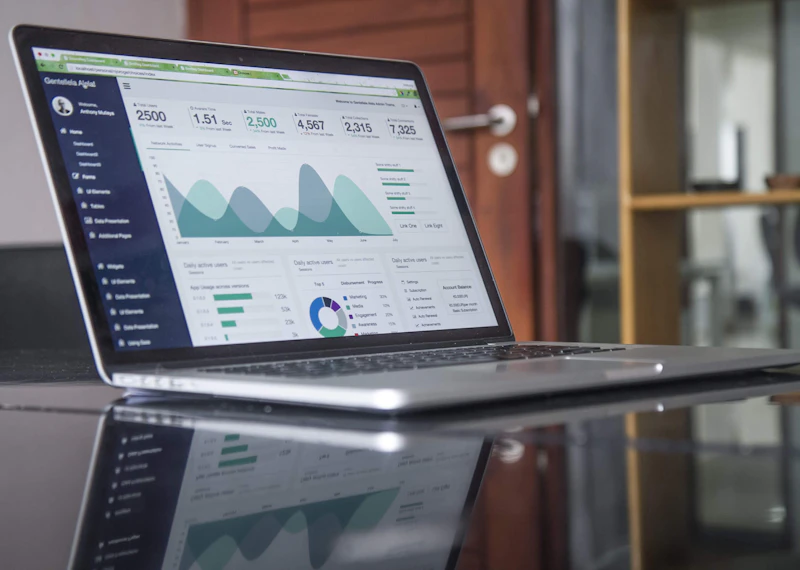
Peak season earnings can be substantial, but only if you're tracking them properly and making data-driven decisions about which blocks to take and when to work.
What to Track
Essential Metrics
- • Gross earnings per block: What Amazon paid you
- • Tips received: For Fresh/WF blocks
- • Miles driven: For tax deductions and profitability analysis
- • Hours worked: Including travel to/from station
- • Effective hourly rate: Gross earnings ÷ total hours
- • Blocks by station: Which locations pay best
- • Blocks by time: Which time slots are most profitable
Tracking Tools
Simple Spreadsheet
Google Sheets or Excel with columns for date, station, block time, base pay, tips, miles, and calculated hourly rate. Update daily for accurate data.
Mileage Apps
Stride, Everlance, or MileIQ to automatically track miles. Essential for tax deductions. Some integrate earnings tracking too.
Analyzing Your Data
Questions Your Data Should Answer
- • Which station gives me the highest effective hourly rate?
- • What time slots consistently offer surge pricing?
- • Is Fresh/WF worth it after factoring in tips?
- • How do my peak season earnings compare to my goals?
- • Am I meeting my daily/weekly targets?
Peak Season Earning Goals
2026 Peak Season Math at Amazon's Advertised $18 to $25 an Hour (Before Expenses)
Part-Time (20-25 hrs/week):
About $360-625 a week gross
Full-Time (40-50 hrs/week):
About $720-1,250 a week gross
Aggressive (50+ hrs/week):
About $900 a week or more gross at 50 hours
Peak Week (Christmas):
Surge offers may add more, but are not guaranteed
Remember Expenses
Track your gross earnings, but remember your net profit is after gas, vehicle wear, and taxes. A $1,000 week with $200 in gas and 15-20% for taxes leaves you ~$600-650 net. This is still excellent, but factor it into your planning.
12. Frequently Asked Questions
How much can you make on Amazon Flex during peak season?
Peak season usually brings more blocks and more surge offers than the rest of the year, so drivers who can book more hours often gross more. How much more depends on your market, how many blocks you get, surge timing and your expenses; there is no reliable typical figure, and surge is never guaranteed. Results vary; these are estimates, not guarantees.
When is Amazon Flex peak season in 2026?
Amazon Flex peak season 2026 includes: Prime Day (typically mid-July, 2 days), Prime Big Deal Days (early-mid October, 2 days), Black Friday/Cyber Monday week (November 27 - December 3), and the Christmas rush (December 1-24). Additional mini-peaks occur during Valentine's Day, Mother's Day, Father's Day, and back-to-school periods with moderately increased demand and occasional surges.
Does Amazon Flex pay more during holidays?
Yes, Amazon Flex typically offers surge pricing during peak periods when they need more drivers. Base rates can increase by $5-15+ per hour during high-demand times like Black Friday week and the week before Christmas. Surge rates are displayed in the app when booking blocks. Additionally, Fresh and Whole Foods tips tend to increase 20-40% during the holidays due to customer generosity.
How do I prepare for Amazon Flex peak season?
Prepare by: maintaining "Fantastic" standing to access more blocks, servicing your vehicle completely 2-3 weeks before peak starts, stocking up on delivery supplies and cold weather gear, clearing your personal schedule for maximum availability, downloading offline maps for your delivery region, and gradually increasing your block frequency to build stamina before the main rush hits.
Is Amazon Flex worth it during peak season only?
Many drivers focus heavily on peak seasons for maximum earnings. Working intensively during the 8-10 peak weeks per year can generate the same income as 4-6 months of regular driving. However, maintaining some activity year-round helps preserve your standing and ensures smooth block access during peak periods. Drivers who disappear for months sometimes find reduced block availability when they return.
How do I find surge pricing blocks on Amazon Flex?
Check the app frequently during known high-demand windows (early morning and evening), monitor multiple nearby stations, and watch for rates above the standard base in your area. During peak season, surges appear more frequently and for longer periods. Some drivers recommend checking every 15-30 minutes during prime surge times and having your phone ready to grab blocks instantly.
What should I do if my peak season route is too large to complete?
Contact Amazon support before you're late, not after. Document that you're working efficiently throughout. Prioritize packages with earlier delivery windows. Return any undelivered packages to the station promptly when your block ends. Amazon understands peak season challenges and won't penalize drivers for documented, reasonable issues with route sizing.
How many blocks should I do per day during peak season?
Most drivers can sustainably do 2-3 blocks per day during peak season. Some push to 4 blocks on big earning days, but this risks burnout. Schedule at least 1-2 rest days per week even during the busiest periods. Listen to your body, making mistakes due to fatigue can harm your rating more than the extra earnings are worth.
Seize the Peak Season Opportunity
Peak season represents the greatest earning opportunity of the year for Amazon Flex drivers. With the right preparation, strategies, and mindset, you can transform these intense weeks into significant income that might otherwise take months to earn.
The key is balance: push hard enough to capitalize on surge pricing and abundant blocks, but not so hard that you burn out before the peak is over. Take care of your vehicle, your health, and your mental state. The drivers who finish peak season strong, not exhausted, are the ones who truly maximize their earnings.
Mark your calendar, prepare your vehicle, stock your supplies, and get ready. Peak season 2026 awaits, and so do the best earnings of your Flex career.
Related Guides
Weather Driving Guide
Master deliveries in winter weather and challenging conditions.
Night Delivery Mastery
Navigate after-dark deliveries during short winter days.
Tax Deductions Guide
Maximize deductions on your peak season earnings.
Customer Service Excellence
Handle holiday customer dynamics professionally.

About Glen Meade
Founder of FlexDriverGuide and SideQuestHustle.com. I research gig economy platforms, pay policies and public driver discussions to bring you practical strategies. My goal is to help you maximize your earnings while avoiding common pitfalls.