Table of Contents
Your vehicle is your most important asset as an Amazon Flex driver. The right car can mean the difference between profitable delivery work and barely breaking even. This comprehensive 2026 guide analyzes the best vehicles for Flex drivers based on real-world delivery needs: cargo space, fuel efficiency, reliability, and total operating costs. Whether you're using your current car or shopping for a dedicated delivery vehicle, this guide will help you make the smartest choice.
1. Amazon Flex Vehicle Requirements
Before diving into specific vehicles, let's clarify what Amazon actually requires. Meeting these minimums is just the start—exceeding them can significantly improve your earning potential.
Official Amazon Flex Requirements (2026)
- ✓ 4-door vehicle: Sedans, hatchbacks, SUVs, minivans, or cargo vans
- ✓ Mid-size or larger: Compact cars (Civic, Corolla size) and above accepted
- ✓ Good condition: Clean, no major body damage, functioning doors/trunk
- ✓ Valid registration: Current registration in your state
- ✓ Auto insurance: Meets state minimum requirements
What's NOT Allowed
- ✗ 2-door coupes or sports cars
- ✗ Motorcycles, scooters, or bicycles
- ✗ Pickup trucks (bed doesn't count as enclosed cargo)
- ✗ Vehicles with significant damage or safety issues
- ✗ Rental cars (in most cases, check policy)
Important Note:
While Amazon accepts mid-size sedans, experienced drivers report that compact SUVs and hatchbacks are optimal for most routes. The extra cargo space reduces stress and allows you to complete routes faster without package tetris.
2. Key Factors for Choosing a Vehicle
The "best" vehicle depends on your specific situation. Consider these factors in order of importance for delivery driving.
Fuel Efficiency
Your biggest ongoing cost. A 10 MPG difference can save $2,000-4,000 annually.
Reliability
Breakdowns cost money and damage standing. Toyota and Honda lead in reliability.
Cargo Space
More space = easier loading, less organization time, ability to take larger routes.
Total Cost
Purchase price, insurance, maintenance, and depreciation combined.
Secondary Considerations
- Ease of entry/exit: You'll get in/out 40-60 times per block
- Cargo opening size: Wider openings make loading faster
- Ground clearance: Higher helps with rural driveways
- Visibility: Good sightlines for finding addresses
- Comfort: You'll spend hours in this seat daily
3. Best Sedans for Amazon Flex
Sedans offer excellent fuel economy and lower purchase prices, making them ideal for drivers focused on maximizing profit margins. The trade-off is limited cargo space compared to SUVs.
Toyota Prius (2020-2026)
The king of delivery vehicles. Legendary fuel economy, bulletproof reliability, and hatchback design provides more usable space than traditional sedans. The 2023+ redesign offers even more cargo room.
Honda Civic (2022-2026)
Excellent all-around choice with good fuel economy, spacious interior, and Honda reliability. The hatchback version offers significantly more cargo space than the sedan.
Toyota Camry Hybrid (2021-2026)
Premium sedan option with excellent hybrid efficiency. More comfortable for long blocks but traditional trunk limits cargo flexibility. Best for Fresh/Whole Foods routes with fewer packages.
4. Best SUVs & Crossovers
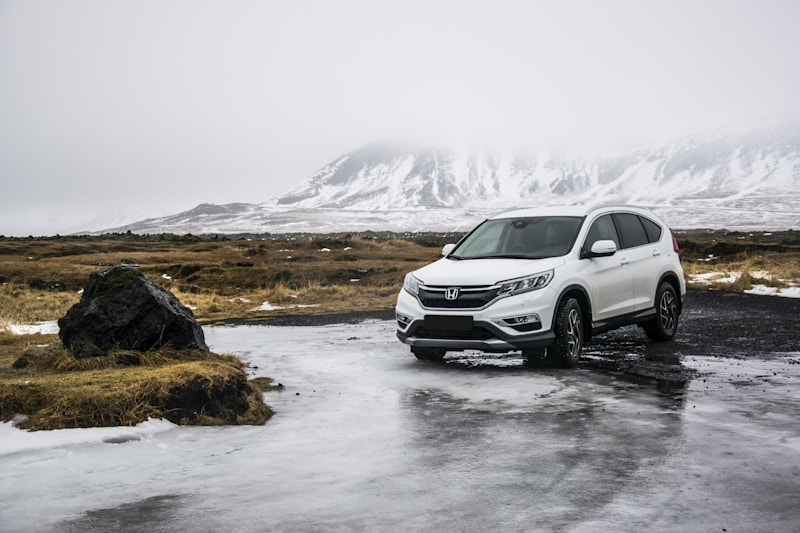
Compact and mid-size SUVs offer the best balance of cargo space and fuel efficiency. They're increasingly popular among full-time Flex drivers for their versatility across all block types.
Toyota RAV4 Hybrid (2021-2026)
The RAV4 Hybrid offers exceptional fuel economy for an SUV while providing massive cargo capacity. Handles all route types easily, from small Fresh orders to large logistics routes. AWD available for winter driving.
Honda CR-V Hybrid (2023-2026)
The redesigned 2023+ CR-V offers class-leading cargo space and excellent hybrid efficiency. Lower cargo floor than RAV4 makes loading easier. One of the best overall choices for full-time drivers.
Hyundai Tucson Hybrid (2022-2026)
Excellent value alternative to Toyota/Honda with competitive specs. 10-year/100,000-mile warranty provides peace of mind for high-mileage delivery driving. Great feature content for the price.
Mazda CX-30 (2021-2026)
Subcompact SUV that's fun to drive and affordable. Good choice for part-time drivers or those in urban areas where smaller vehicles are easier to maneuver and park.
5. Best Hatchbacks & Wagons
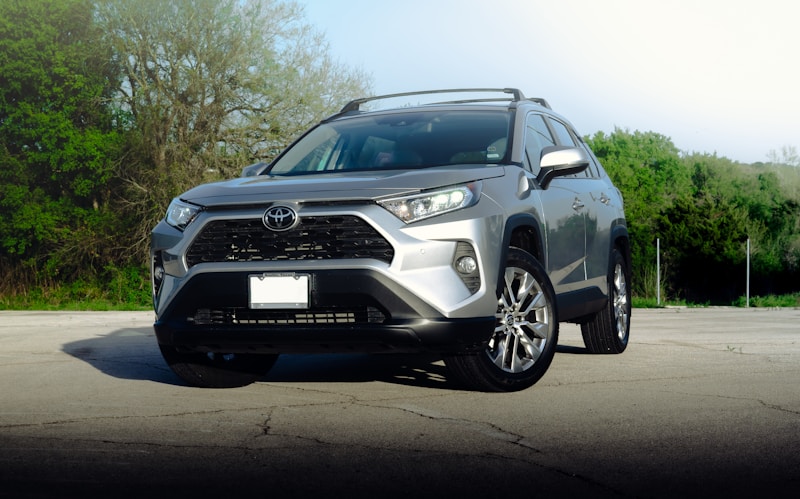
Hatchbacks combine car-like fuel economy with SUV-like cargo flexibility. The low load floor and wide opening make them excellent for delivery work.
| Vehicle | MPG | Cargo (seats down) | Price Range | Best For |
|---|---|---|---|---|
| Toyota Prius | 52 | 27.4 ft³ | $24-32K | Overall Best |
| Honda Civic Hatch | 36 | 46.2 ft³ | $26-32K | Cargo Space |
| Mazda3 Hatchback | 30 | 47.1 ft³ | $24-33K | Driving Feel |
| Hyundai Elantra GT | 32 | 55.1 ft³ | $21-26K | Budget Choice |
| Subaru Impreza Hatch | 30 | 55.3 ft³ | $23-28K | AWD Standard |
Why Hatchbacks Excel:
The hatchback design allows you to see all packages at once, fold seats flat for maximum space, and load from the side or rear. Many drivers prefer them over traditional sedans despite similar exterior dimensions.
6. Best Vans & Minivans

Minivans and cargo vans offer maximum cargo capacity for drivers who regularly take large routes or multiple blocks. The trade-off is lower fuel economy and higher operating costs.
Toyota Sienna Hybrid
The only minivan with hybrid-only powertrain. Best fuel economy in class with massive cargo space. Sliding doors make loading easy.
Honda Odyssey
Maximum cargo capacity among minivans. Magic Slide seats offer flexibility. Lower MPG but legendary Honda reliability.
Chrysler Pacifica Hybrid
Plug-in hybrid with 32 miles electric range. Stow 'n Go seats fold into floor for flat load area. Federal tax credit may apply.
Ford Transit Connect
Purpose-built for commercial delivery. Cargo version has no rear seats for maximum space. More maneuverable than full-size vans.
When to Consider a Van:
Vans make financial sense if you consistently take 5-hour logistics blocks with 50+ packages, run multiple blocks daily, or combine Amazon Flex with other delivery platforms. The higher capacity enables routes that wouldn't fit in smaller vehicles.
7. Electric Vehicles for Amazon Flex

Electric vehicles offer zero fuel costs and minimal maintenance, making them increasingly attractive for delivery drivers. The key considerations are range, charging access, and upfront cost.
Tesla Model Y (2022-2026)
The Model Y offers excellent range for full-day driving, massive cargo space, and access to Tesla's Supercharger network. Software updates continuously improve efficiency. Tax credits may reduce effective price.
Chevrolet Bolt EUV (2022-2026)
Best value EV for delivery work. Lower price makes the math work for more drivers. Sufficient range for most blocks with home charging overnight.
Hyundai Ioniq 5 (2022-2026)
Ultra-fast charging (10-80% in 18 minutes) means you can add significant range during lunch break. Flat floor and spacious interior excel for delivery.
EV Considerations for Flex Drivers
Advantages
- ✓ $0 fuel costs (with home charging)
- ✓ Minimal maintenance (no oil changes)
- ✓ Smooth, quiet operation
- ✓ Instant torque for quick starts
- ✓ Tax credits available
Challenges
- ✗ Higher upfront cost
- ✗ Range anxiety on long days
- ✗ Charging access required
- ✗ Cold weather reduces range
- ✗ Battery degradation over time
8. Used vs. New: What's Best?

The used vs. new debate is especially important for delivery drivers who put significant miles on their vehicles. Here's how to think about this decision.
Buy Used: Best For
- ✓ Part-time drivers (under 20 hrs/week)
- ✓ Testing Flex before committing
- ✓ Limited upfront budget
- ✓ Mechanically knowledgeable
Sweet Spot: 3-5 year old Prius or RAV4 with 50-80k miles. Still reliable, significantly cheaper than new.
Buy New: Best For
- ✓ Full-time drivers (30+ hrs/week)
- ✓ Planning to drive 25k+ miles/year
- ✓ Want warranty protection
- ✓ Can afford higher payments
Best Value: Base model Toyota or Honda hybrid. Skip expensive trim levels—they don't affect delivery earnings.
Used Vehicle Red Flags
- ❌ Salvage or rebuilt title
- ❌ Previous rental/fleet vehicle (high wear)
- ❌ No maintenance records
- ❌ Signs of accident damage
- ❌ Unusual noises or vibrations
- ❌ Check engine light (even if "minor")
- ❌ Excessive rust or corrosion
- ❌ Price significantly below market
Pro Tip:
Always get a pre-purchase inspection ($100-150) from an independent mechanic before buying used. This small investment can save thousands by catching hidden problems.
9. Total Cost of Ownership Analysis

The true cost of a vehicle includes far more than the purchase price. This analysis compares popular Flex vehicles based on what you'll actually spend over 3 years of full-time driving (30,000 miles/year).
| Vehicle | Fuel Cost/Year | Maintenance | Depreciation | Insurance | Total/Year | Cost/Mile |
|---|---|---|---|---|---|---|
| Toyota Prius (New) | $1,730 | $400 | $2,800 | $1,400 | $6,330 | $0.21 |
| Prius (Used 2021) | $1,850 | $600 | $1,500 | $1,200 | $5,150 | $0.17 |
| RAV4 Hybrid (New) | $2,250 | $500 | $3,500 | $1,600 | $7,850 | $0.26 |
| Honda CR-V (New) | $2,430 | $500 | $3,300 | $1,550 | $7,780 | $0.26 |
| Tesla Model Y (New) | $1,200 | $200 | $5,000 | $2,200 | $8,600 | $0.29 |
| Chevy Bolt EUV (New) | $900 | $200 | $3,200 | $1,500 | $5,800 | $0.19 |
*Based on $3.50/gallon gas, $0.12/kWh electricity, 30,000 miles/year. Actual costs vary by location and driving habits.
Key Finding:
A used Prius offers the lowest total cost of ownership for most Flex drivers. The Chevy Bolt is the best EV value if you have home charging. New RAV4 Hybrid wins for those needing maximum cargo space with reasonable costs.
10. Maximizing Your Cargo Space
Even a smaller vehicle can handle large routes with smart organization. These tips help you make the most of your available space.
Organization Strategies
Zone System
Divide your cargo area into zones matching your route:
- • Front cargo = last stops
- • Rear cargo = first stops
- • Passenger seat = next few stops
- • Behind driver = overflow
Tote System
Use collapsible totes for organization:
- • One tote per 5-10 stops
- • Number totes in route order
- • Grab whole tote for apartments
- • Stack totes vertically
Cargo Accessories Worth Buying
- Collapsible crates/totes ($15-25 each): Essential for organization
- Cargo net or organizer ($20-40): Prevents packages from shifting
- Cargo mat/liner ($30-60): Protects carpet, easier to clean
- Seat covers ($25-50): Protect from wear, dirt, and moisture
- Small step stool ($15): For reaching packages in vans/SUVs
Loading Tip:
Load packages with labels facing up and toward you. Spend 5 extra minutes organizing at the station—it saves 15-20 minutes on route and reduces stress significantly.
11. Maintenance for High-Mileage Driving
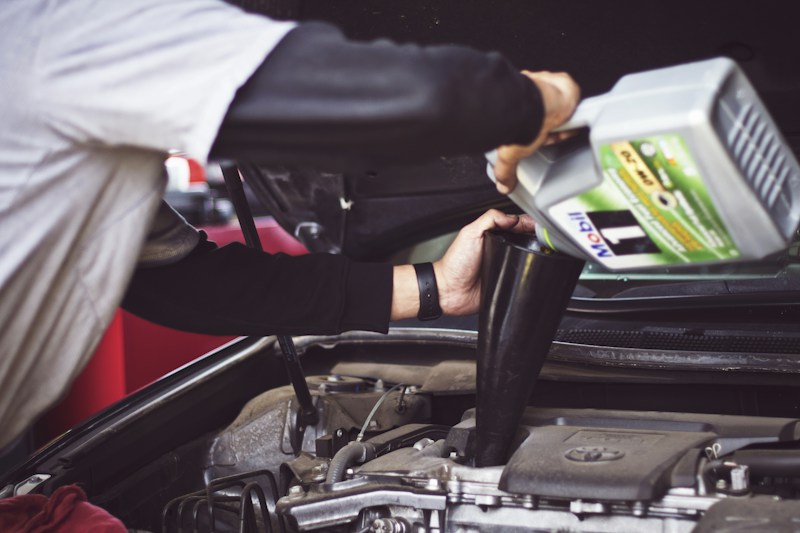
Delivery driving is hard on vehicles. More miles mean more maintenance. Following a strict schedule prevents expensive breakdowns and keeps your earning power intact.
High-Mileage Maintenance Schedule
| Service | Interval | Est. Cost |
|---|---|---|
| Oil change (conventional) | Every 3,000-5,000 mi | $30-60 |
| Oil change (synthetic) | Every 7,500-10,000 mi | $60-100 |
| Tire rotation | Every 5,000-7,500 mi | $20-50 |
| Air filter | Every 15,000-20,000 mi | $20-40 |
| Brake pads | Every 30,000-50,000 mi | $150-300 |
| Tires (replacement) | Every 40,000-60,000 mi | $400-800 |
| Transmission fluid | Every 60,000-100,000 mi | $100-200 |
Weekly Quick Checks
- ☐ Tire pressure (fuel economy suffers when low)
- ☐ Tire condition (check for nails, wear)
- ☐ Oil level (check dipstick)
- ☐ Washer fluid level
- ☐ All lights working
- ☐ Wiper blade condition
Money-Saving Tip:
Learn to do basic maintenance yourself (oil changes, air filters, wiper blades). YouTube tutorials make these easy. You'll save 50% or more on labor costs and understand your vehicle better.
12. Frequently Asked Questions
What are Amazon Flex vehicle requirements?
Amazon Flex requires a 4-door mid-size sedan or larger. The vehicle must be in good condition, have valid registration and insurance, and be able to safely transport packages. SUVs, hatchbacks, minivans, and cargo vans are all accepted. Two-door vehicles, motorcycles, and pickup trucks are not allowed.
What is the best car for Amazon Flex?
The Toyota Prius and Honda Civic are top choices due to excellent fuel economy (50+ and 36 MPG respectively), reliability, and adequate cargo space. For larger routes, the Toyota RAV4 Hybrid and Honda CR-V Hybrid offer more cargo capacity with reasonable fuel efficiency. The best choice depends on your route types, budget, and personal preferences.
Is it worth buying a car specifically for Amazon Flex?
For part-time drivers (under 20 hours/week), using your existing vehicle is usually best. For full-time drivers, purchasing a fuel-efficient vehicle can pay off within 1-2 years through fuel savings. Consider a used Prius (3-5 years old) for the best value-to-cost ratio. Run the numbers for your specific situation before committing.
Can I use an electric vehicle for Amazon Flex?
Yes, electric vehicles are allowed and can be excellent for Amazon Flex. EVs like the Tesla Model Y, Hyundai Ioniq 5, and Chevrolet Bolt offer zero fuel costs and lower maintenance. However, ensure your routes allow for adequate charging time and your EV has sufficient range for your typical blocks. Home charging is practically essential for EV delivery drivers.
How much cargo space do I need for Amazon Flex?
For standard logistics blocks, 15-25 cubic feet of cargo space is sufficient. Fresh and Whole Foods blocks require less space (usually under 15 cubic feet). Large package routes may require 30+ cubic feet. A mid-size sedan with fold-down rear seats can handle most standard routes, but an SUV or hatchback makes loading significantly easier.
How many miles can I expect to drive per Amazon Flex block?
Most 3-hour logistics blocks cover 50-80 miles. 4-5 hour blocks can reach 100-150 miles. Fresh and Whole Foods blocks typically run 30-60 miles. Expect to put 20,000-40,000 miles annually on your vehicle if driving full-time. This high mileage is why fuel efficiency and reliability are so important.
Choose Your Vehicle Wisely
Your vehicle choice significantly impacts your Amazon Flex earnings. The right car saves thousands annually in fuel and maintenance while making deliveries faster and less stressful. Whether you choose a fuel-sipping Prius, a cargo-ready RAV4, or an efficient EV, prioritize reliability and operating costs over features you won't use.
Top Recommendations Summary
- Best Overall: Toyota Prius (best operating costs)
- Best SUV: Toyota RAV4 Hybrid (cargo + efficiency)
- Best Budget: Used Prius (2019-2021)
- Best EV: Chevrolet Bolt EUV (value) or Tesla Model Y (range)
- Best for Large Routes: Toyota Sienna Hybrid
Related Guides

Beginner Tips Guide
Start your Flex career right

Earnings Maximization
Boost your delivery income

Route Optimization Guide
Finish blocks faster

About Glen Meade
Founder of FlexDriverGuide and SideQuestHustle.com. I research gig economy platforms, pay policies and public driver discussions to bring you practical strategies. My goal is to help you maximize your earnings while avoiding common pitfalls.