Table of Contents
Single-app drivers leave money on the table. While you're waiting for your next Amazon Flex block or sitting idle between deliveries, multi-app drivers are earning from DoorDash, Uber Eats, or Instacart. This comprehensive 2026 guide teaches you to strategically combine Amazon Flex with other gig platforms, potentially increasing your earnings by 20-40% without working more hours. Master the art of multi-apping and transform dead time into dollars.
1. Why Multi-App Driving Works
The gig economy's biggest inefficiency is downtime. Amazon Flex blocks aren't always available when you want them. When they are, there's often waiting time at stations or gaps between blocks. Multi-apping turns this wasted time into earning opportunity.
The Multi-App Advantage
Benefits
- ✓ Eliminate downtime: Earn between Flex blocks
- ✓ Income stability: Backup when one app is slow
- ✓ Cherry-pick orders: Take only the best-paying offers
- ✓ Peak hour stacking: Maximize busy period earnings
- ✓ Flexibility: Work when and how you want
- ✓ Risk diversification: Not dependent on one platform
Challenges
- ✗ Complexity: Managing multiple apps simultaneously
- ✗ Phone juggling: Switching between apps constantly
- ✗ Tax tracking: Multiple 1099s to manage
- ✗ Learning curve: Each app has different systems
- ✗ Battery drain: Multiple apps running depletes power
- ✗ Data usage: Higher mobile data consumption
Earnings Comparison: Single vs Multi-App
| Scenario | Hours | Active Time | Earnings | $/Hour |
|---|---|---|---|---|
| Flex Only (2 blocks) | 8 hrs | 6 hrs | $150 | $18.75 |
| Flex + DoorDash (gaps) | 8 hrs | 7.5 hrs | $195 | $24.38 |
Example: Filling 1.5 hours of gaps with DoorDash at $30/hr adds $45 to daily earnings
The 80/20 Rule of Multi-Apping:
Most successful multi-app drivers have one primary app (usually Amazon Flex for scheduled income) and use 1-2 secondary apps to fill gaps. Trying to run 5+ apps simultaneously leads to confusion and mistakes. Start simple.
2. Best Apps to Combine with Amazon Flex
Not all gig apps complement Amazon Flex equally. The best secondary apps offer on-demand flexibility, good earnings potential, and minimal scheduling conflicts.
Tier 1: Best Flex Companions
DoorDash
Largest market share = most orders. Perfect for filling gaps between Flex blocks.
- • Pay: varies by market and tips
- • Schedule: Fully on-demand
- • Best for: Gap filling, quick orders
Uber Eats
Strong in urban areas with good surge multipliers during peak times.
- • Pay: varies by market, surge and tips
- • Schedule: Fully on-demand
- • Best for: Urban areas, surge chasing
Tier 2: Strategic Alternatives
Instacart
Similar to Fresh/WF blocks. Good for when Flex grocery blocks unavailable.
- • Pay: varies by batch and tips
- • Schedule: On-demand + scheduled
- • Best for: Replacing Flex grocery
Walmart Spark
Walmart's delivery platform. Scheduled blocks similar to Amazon Flex.
- • Pay: varies by market and offer
- • Schedule: Scheduled offers
- • Best for: Flex block alternative
Shipt
Target-owned grocery delivery. Good member base and tip culture.
- • Pay: varies by market and tips
- • Schedule: Claim offers
- • Best for: Suburban areas
GoPuff
Quick convenience store deliveries. Small orders, fast turnaround.
- • Pay: varies by market and tips
- • Schedule: Shifts + on-demand
- • Best for: Quick fills, late night
Recommended Combo for Most Markets:
Amazon Flex + DoorDash + Uber Eats. Flex provides scheduled income and structure. DoorDash fills gaps with high order volume. Uber Eats adds surge opportunities and restaurant variety. This combination covers most earning scenarios.
3. Amazon Flex + DoorDash Strategy
DoorDash is the most popular secondary app for Flex drivers. Its on-demand nature makes it perfect for filling gaps, and its high order volume means you're rarely waiting long.
How to Combine Flex and DoorDash
Before Flex Block
Run DoorDash until 30 minutes before your Flex pickup time. Accept only short-distance orders you can complete quickly. End your Dash when it's time to head to the station.
Between Flex Blocks
If you have 2+ hours between blocks, DoorDash during lunch or dinner rush. Position yourself near restaurants for faster order flow.
After Flex Block
If your Flex block ends during peak food delivery hours (5-8pm), continue earning with DoorDash. You're already out and warmed up.
No Flex Blocks Available
When you can't grab Flex blocks, DoorDash becomes your primary. Focus on peak hours and decline low-paying orders.
DoorDash Order Acceptance Strategy
The $2/Mile Rule
When multi-apping, be selective. Only accept DoorDash orders that pay at least $2 per mile. This ensures profitability when you could be doing other work.
- • Accept: $12 order, 5 miles = $2.40/mile ✓
- • Decline: $6 order, 8 miles = $0.75/mile ✗
- • Consider: $8 order, 3 miles = $2.67/mile ✓
Sample Day: Flex + DoorDash
4. Amazon Flex + Uber Eats Strategy
Uber Eats excels in urban markets with strong surge pricing. While order volume may be lower than DoorDash in some areas, individual orders often pay better during peak times.
Uber Eats Advantages for Multi-Appers
Strengths
- ✓ Surge multipliers during peak demand
- ✓ See tip amount before accepting
- ✓ Stack orders (multiple pickups)
- ✓ Quests/bonuses for order completion
- ✓ Strong in urban/downtown areas
Weaknesses
- ✗ Lower order volume in suburbs
- ✗ Base pay can be low without surge
- ✗ Wait times at restaurants
- ✗ Tips can be reduced post-delivery
When to Use Uber Eats Over DoorDash
- Surge pricing active: When you see 1.5x-2x+ multipliers, prioritize Uber Eats
- Downtown/urban area: Uber Eats typically stronger in dense city centers
- Quest bonuses available: "Complete 15 deliveries for $30 bonus" makes each order worth more
- DoorDash is dead: If DoorDash orders aren't coming, switch to Uber Eats
- Higher tip orders showing: Uber shows expected tips upfront, cherry-pick the good ones
Running DoorDash + Uber Eats Together
Advanced Strategy:
Some drivers run both DoorDash and Uber Eats simultaneously while waiting for Flex blocks. Accept orders from whichever app offers better pay at that moment. This requires quick decision-making and knowing your area well. Only attempt this once comfortable with each app individually.
Multi-App Decision Tree
- 1. Order comes in → Check pay per mile
- 2. Under $2/mile → Decline, wait for better
- 3. Over $2/mile → Accept immediately
- 4. Both apps offer at same time → Take higher $/mile
- 5. On delivery → Pause other app until complete
- 6. Approaching Flex block time → Stop accepting, head to station
5. Amazon Flex + Instacart Strategy
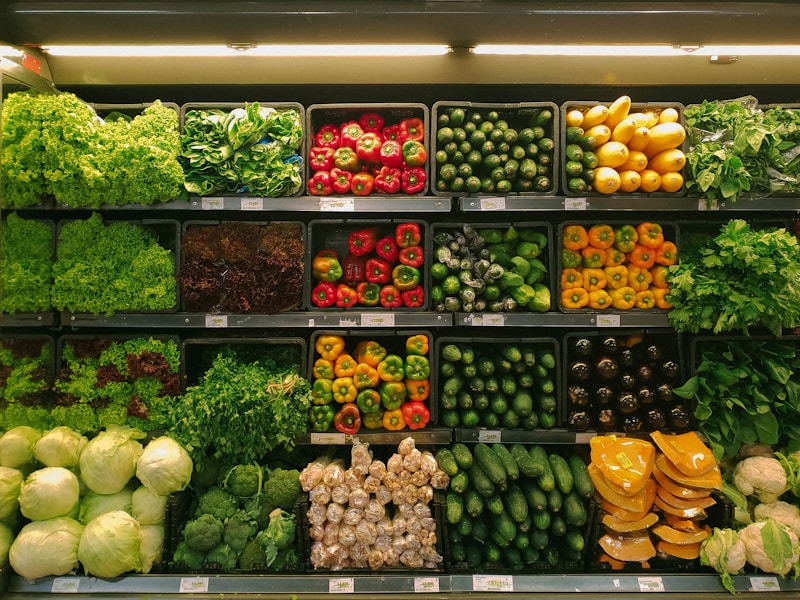
Instacart is the natural complement to Amazon Fresh and Whole Foods blocks. When Flex grocery blocks aren't available, Instacart offers similar work with potentially higher tips.
Flex Grocery vs Instacart Comparison
| Factor | Flex Fresh/WF | Instacart |
|---|---|---|
| Shopping Required | No (pre-shopped) | Yes (you shop) |
| Base Pay | $15-25/hr | $7-15 per batch |
| Tip Potential | Good ($15-40/block) | Excellent ($10-50+/batch) |
| Scheduling | Scheduled blocks | On-demand batches |
| Time Control | Fixed block length | Per-batch flexibility |
When to Use Instacart
- No Fresh/WF blocks available: Instacart fills the grocery delivery gap
- Morning hours: Instacart is busy 8am-12pm when Flex logistics may be slow
- You enjoy shopping: Some drivers prefer the shopping experience
- High-tip areas: Wealthy neighborhoods tip generously on Instacart
- Weekend mornings: Families stock up, high demand, good batches
Instacart Batch Selection
The $1/Item + $1/Mile Rule
For Instacart batches, aim for orders that pay at least $1 per item plus $1 per mile. This accounts for shopping time and delivery distance.
- • Accept: 25 items, 5 miles, $35 pay = $1.17/item, $1.40/mile ✓
- • Decline: 60 items, 8 miles, $22 pay = $0.37/item ✗
Pro Tip:
Instacart tips can be modified for 24 hours after delivery. Provide excellent service, communicate substitutions, handle items carefully, follow delivery instructions, to protect and increase your tips.
6. Amazon Flex + Walmart Spark
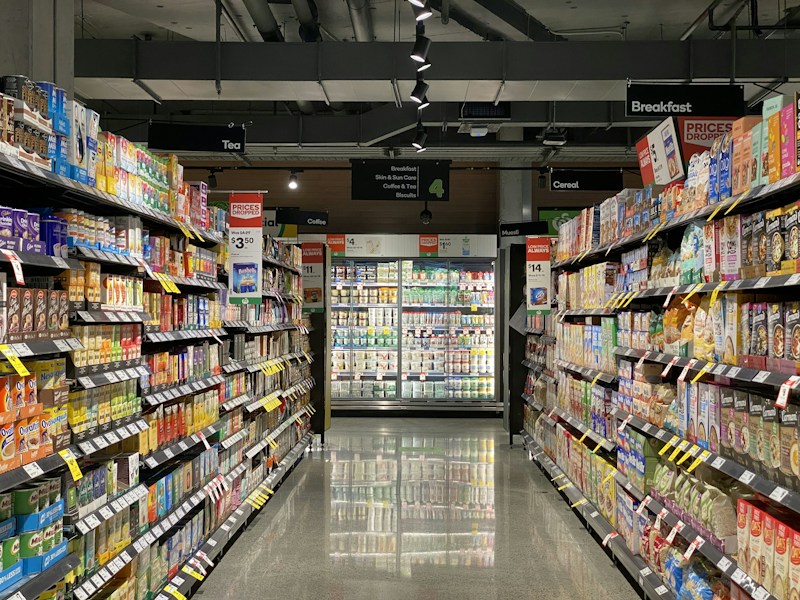
Walmart Spark operates similarly to Amazon Flex with scheduled offers and trips. It's an excellent alternative when Flex blocks are scarce, offering comparable pay and structure.
Spark vs Flex Comparison
Similarities
- • Scheduled offers/blocks
- • Package/grocery delivery
- • Rating/standing system
- • Base pay + tips
- • Station pickup model
Differences
- • Spark has "Shop & Deliver" orders
- • Different offer release times
- • Walmart ecosystem vs Amazon
- • Different geographic coverage
- • Surge pricing works differently
Strategic Flex + Spark Scheduling
Since both apps use scheduled offers, coordinate your schedule:
- Morning: Check Flex for early blocks. If none, grab Spark offers.
- Afternoon: Prioritize whichever platform has better rates that day.
- Don't double-book: Never accept overlapping Flex and Spark trips.
- Track both calendars: Use a shared calendar app to avoid conflicts.
- Know offer drop times: Each platform releases offers at specific times.
Market Consideration:
Spark availability depends on Walmart store density in your area. In some markets, Spark offers are plentiful; in others, they're scarce. Test both platforms to see which offers more consistent work in your location.
7. Scheduling Your Multi-App Day

Successful multi-apping requires intentional scheduling. Random app-switching leads to confusion and missed opportunities. Plan your day strategically.
The Ideal Multi-App Schedule Framework
Foundation: Amazon Flex Blocks
Schedule Flex blocks first. These are your guaranteed, highest-paying work. Build your day around them.
Gap Filler: DoorDash/Uber Eats
Use on-demand food delivery to fill gaps before, between, and after Flex blocks.
Alternative: Instacart/Spark
When Flex blocks aren't available, switch to grocery platforms for similar structured work.
Sample Weekly Schedule
| Time | Mon | Tue | Wed | Thu | Fri | Sat | Sun |
|---|---|---|---|---|---|---|---|
| 6-10am | Flex | Off | Flex | Off | Flex | Instacart | Instacart |
| 11am-2pm | DD/UE | DD/UE | DD/UE | DD/UE | DD/UE | DD/UE | Off |
| 3-7pm | Flex | Flex | Off | Flex | Flex | Flex | Flex |
| 7-10pm | DD/UE | Off | DD/UE | DD/UE | DD/UE | DD/UE | Off |
Legend: Orange=Flex, Red=DoorDash/Uber Eats, Green=Instacart, Gray=Off
Flexibility is Key:
This schedule is a framework, not a rigid rule. Flex block availability varies, surge pricing comes and goes, and life happens. Adjust daily based on what's available and what pays best.
8. Peak Hours by Platform

Each platform has different peak earning periods. Knowing when each app pays best helps you allocate your time for maximum earnings.
| Platform | Morning Peak | Lunch Peak | Dinner Peak | Late Night |
|---|---|---|---|---|
| Amazon Flex (Logistics) | 6-10am ★★★ | 11am-2pm ★★ | 3-7pm ★★★ | Limited |
| Amazon Fresh/WF | 7-10am ★★★ | 11am-1pm ★★ | 4-7pm ★★★ | Limited |
| DoorDash | Slow | 11am-2pm ★★★ | 5-9pm ★★★ | 9pm-12am ★★ |
| Uber Eats | Slow | 11am-2pm ★★★ | 5-10pm ★★★ | 10pm-2am ★★ |
| Instacart | 8am-12pm ★★★ | 12-3pm ★★ | 4-6pm ★★ | Very slow |
| Walmart Spark | 7-11am ★★★ | 12-2pm ★★ | 4-7pm ★★★ | Limited |
Strategic Time Allocation
- Early Morning (6-9am): Flex logistics or Instacart, food delivery is dead
- Mid-Morning (9-11am): Instacart for grocery rush or prep for lunch food delivery
- Lunch (11am-2pm): DoorDash/Uber Eats peak, focus on food delivery
- Afternoon (2-5pm): Flex blocks or Spark for package delivery
- Dinner (5-9pm): Best food delivery hours, DoorDash/Uber Eats surge
- Late Night (9pm+): Food delivery slows; Flex may have surge blocks
Weekend Differences:
Saturdays and Sundays have different patterns. Brunch (10am-1pm) becomes a food delivery peak. Instacart is busy all morning. Dinner extends later. Flex blocks may have higher surge pricing. Adjust your strategy for weekends.
9. Phone & Tech Setup
Running multiple apps requires your phone to work harder. Proper setup prevents crashes, battery death, and missed orders.
Essential Phone Requirements
- RAM: 4GB minimum, 6GB+ preferred for smooth multi-app operation
- Storage: 64GB+ to accommodate all apps and map downloads
- Battery: 4000mAh+ capacity; older phones may struggle
- Data Plan: Unlimited high-speed data is essential
- Phone Age: Phones over 3-4 years old may be too slow
App Organization
Home Screen Setup
- • All delivery apps on one screen
- • Arranged by frequency of use
- • Navigation app easily accessible
- • Mileage tracker in quick reach
- • Remove non-essential apps from home
Notification Settings
- • Enable sounds for all delivery apps
- • Different notification tones per app
- • Disable non-essential app notifications
- • Keep Do Not Disturb OFF while working
- • Enable lock screen notifications
Battery & Power Management
- High-quality car charger: Fast charging (18W+) is essential
- Portable battery: 20,000mAh backup for emergencies
- Close unused apps: Fully close apps you're not actively using
- Lower brightness: 50-70% is usually sufficient
- Disable battery saver during work: It can delay notifications
- Monitor temperature: Hot phones throttle performance
Two-Phone Setup:
Some serious multi-appers use two phones, one for Amazon Flex/scheduled work, one for DoorDash/Uber Eats. This prevents conflicts and ensures you never miss offers. Consider a cheap used phone as a secondary if your primary struggles with multiple apps.
10. Tracking Multi-App Earnings
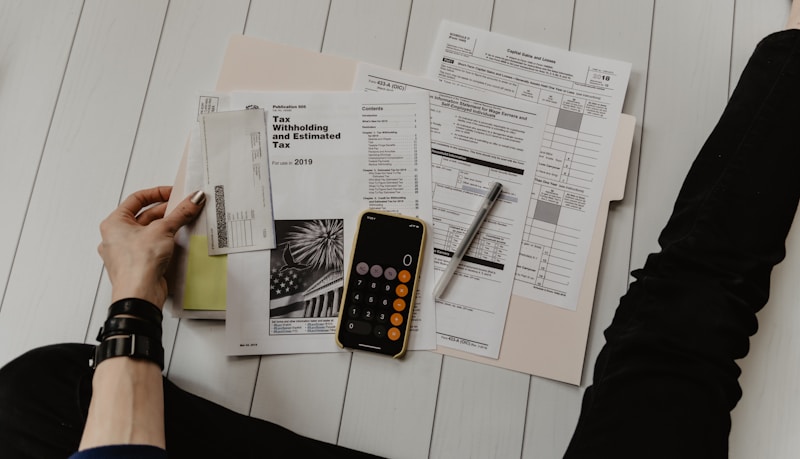
With income from multiple platforms, tracking earnings becomes more complex but also more important. Know exactly how much you're making and where it's coming from.
What to Track
Per Platform
- • Gross earnings
- • Tips received
- • Hours worked
- • Miles driven
- • Number of deliveries
Overall
- • Total weekly earnings
- • Total miles (all platforms)
- • Effective hourly rate
- • Net profit after expenses
- • Best/worst days and times
Recommended Tracking Tools
Gridwise (Free)
Syncs with multiple delivery apps automatically. Shows combined earnings, mileage, and hourly rates.
Best for: All-in-one trackingSpreadsheet
Google Sheets or Excel for custom tracking. Full control over data and calculations.
Best for: Detailed analysisStride
Mileage tracking with expense logging. Good for tax preparation.
Best for: Tax timePara (iOS)
AI-powered offer analysis across multiple apps. Shows which orders to accept.
Best for: Order optimizationTax Implications
Multiple 1099s Warning
Each platform sends a separate 1099-NEC if you earn $600+. You'll need to:
- • Report income from ALL platforms (even under $600)
- • Track mileage for TOTAL miles across all apps
- • Pay quarterly estimated taxes on combined income
- • File Schedule C with total self-employment income
Weekly Review Habit:
Every Sunday, spend 15 minutes reviewing your week. Which app paid best? What hours were most profitable? Where did you waste time? Use data to improve next week's strategy.
11. Common Multi-App Mistakes

Multi-apping can backfire if done wrong. Avoid these common pitfalls that hurt earnings and ratings.
Accepting Orders from Multiple Apps Simultaneously
Never accept a DoorDash order while actively delivering for Flex. Late deliveries hurt your ratings on both platforms. Complete one before accepting another.
Missing Flex Block Start Times
Getting caught up in a DoorDash order and arriving late to Flex hurts your standing. Always stop accepting new orders 30+ minutes before block starts.
Running Too Many Apps
More apps ≠ more money. Stick to 2-3 max. Beyond that, you'll spend more time app-switching than earning.
Ignoring App-Specific Rules
Each platform has different acceptance rate requirements, rating thresholds, and deactivation policies. Know the rules for each app you use.
Poor Order Selection
Multi-apping should make you MORE selective, not less. With options, only accept high-paying orders. Low-ball offers aren't worth your time.
Neglecting Phone Battery
A dead phone = no earnings. Keep your phone charging constantly while driving. Running multiple apps drains batteries fast.
Not Tracking Mileage by App
All miles are deductible regardless of which app, but tracking separately helps you understand which platforms are most profitable after expenses.
12. Frequently Asked Questions
Can you do Amazon Flex and DoorDash at the same time?
You cannot actively deliver for both simultaneously, but you can run DoorDash between Flex blocks or decline DoorDash orders while on a Flex block. Many drivers use DoorDash to fill gaps when Flex blocks aren't available, maximizing hourly earnings throughout the day.
What apps work best with Amazon Flex?
DoorDash, Uber Eats, Instacart, and Walmart Spark complement Amazon Flex well. DoorDash offers quick orders to fill gaps. Uber Eats provides flexible on-demand work with surge pricing. Instacart and Spark offer scheduled grocery/retail deliveries similar to Flex Fresh/Whole Foods blocks.
How much can you make running multiple delivery apps?
Multi-app drivers typically earn 20-40% more than single-app drivers by eliminating downtime. Full-time multi-app drivers report $1,200-2,000+ weekly by strategically combining Amazon Flex blocks with on-demand apps like DoorDash and Uber Eats during peak hours.
Is running multiple gig apps worth it?
Yes, for most drivers. Multi-apping eliminates dead time between orders, provides backup income when one app is slow, and lets you cherry-pick the best-paying opportunities. The trade-off is increased complexity and phone management, but the earnings boost usually outweighs these challenges.
How do I manage multiple apps without getting confused?
Start with just two apps until you're comfortable. Use different notification sounds for each. Never accept orders from two apps simultaneously. Pause apps you're not actively using. And always prioritize scheduled Flex blocks over on-demand work, they're your foundation.
Turn Downtime Into Dollars
Multi-apping isn't about working harder, it's about working smarter. By strategically combining Amazon Flex with complementary platforms, you eliminate dead time, increase your options, and take control of your earnings. Start with Flex as your foundation, add one secondary app, and master that combination before expanding further.
Your Multi-App Action Plan
- ✓ Sign up for DoorDash and Uber Eats as secondary apps
- ✓ Set up phone with organized home screen and notifications
- ✓ Schedule Flex blocks as your primary income source
- ✓ Fill gaps with food delivery during peak hours
- ✓ Track all earnings and mileage from day one
- ✓ Review weekly and optimize your strategy
Related Guides
Earnings Maximization
Boost your Flex income
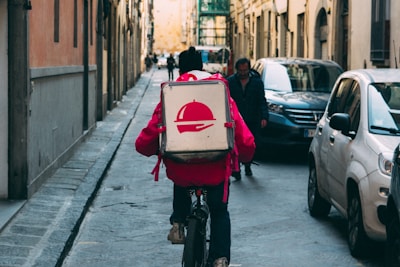
Flex vs Uber Eats
Platform comparison
Tax Deductions Guide
Maximize your write-offs

About Glen Meade
Founder of FlexDriverGuide and SideQuestHustle.com. I research gig economy platforms, pay policies and public driver discussions to bring you practical strategies. My goal is to help you maximize your earnings while avoiding common pitfalls.