Table of Contents
Welcome to Amazon Flex! Starting as a new delivery driver can feel overwhelming, but with the right preparation and knowledge, you can hit the ground running. This comprehensive 2026 beginner guide covers everything from your first day at the station to building a sustainable delivery routine. Whether you're looking for part-time flexibility or full-time income, these proven tips will help you succeed faster and avoid the costly mistakes that trip up new drivers.
1. Getting Started with Amazon Flex
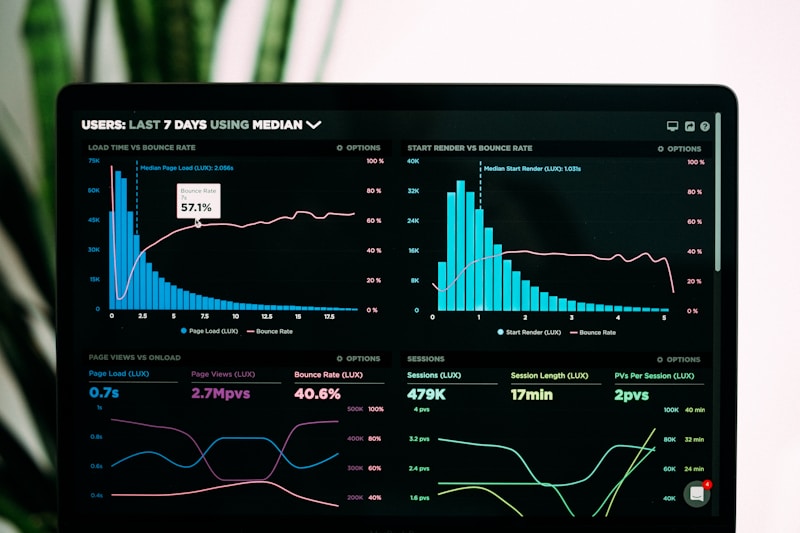
Before you can start earning, you need to complete Amazon's onboarding process. Understanding what's required and preparing properly will get you on the road faster.
Application Requirements
Basic Eligibility (2026)
- ✓ Must be 21 years or older
- ✓ Valid driver's license (at least 1 year)
- ✓ Social Security Number (for tax purposes)
- ✓ Smartphone (iPhone 6s+ or Android 6.0+)
- ✓ Access to a 4-door mid-size sedan or larger
- ✓ Pass background check (driving record & criminal)
- ✓ Valid auto insurance
- ✓ Bank account for direct deposit
The Approval Process
Download & Apply
Download the Amazon Flex app and submit your application with required documents
Background Check
Amazon reviews your driving record and criminal background (2-7 days)
Complete Training
Watch onboarding videos and acknowledge policies in the app
While You Wait: Preparation Checklist
- Clean your vehicle: Remove personal items, vacuum thoroughly, ensure cargo area is clear
- Check your insurance: Verify your policy covers commercial delivery (many personal policies don't)
- Get a phone mount: Essential for navigation while driving safely
- Buy a portable charger: GPS and the app drain battery quickly
- Research local stations: Learn where pickup locations are in your area
- Join driver communities: Facebook groups and Reddit provide real-time local information
Pro Tip:
While waiting for approval, drive your normal routes and pay attention to house numbers, driveway locations, and apartment complexes. This familiarity will help you deliver faster once you start.
2. Your First Block: What to Expect

Your first block will be exciting and nerve-wracking. Knowing what happens step-by-step reduces anxiety and helps you perform better. Here's exactly what to expect.
Timeline of Your First Block
30 Minutes Before: Arrival
Arrive at the station 10-15 minutes early. Check in through the app when you're in range. Use the restroom now, you may not have time later.
Check-In & Assignment
The app shows your assigned cart/rack location. Proceed to that location inside the station. Your packages are already sorted and waiting.
Scanning & Loading
Scan each package with your phone camera. The app will beep for each successful scan. Load packages into your vehicle organized by delivery order or zone.
Route Preview
Before leaving, preview your route in the app. Note any unusual stops, apartments, or areas you're unfamiliar with.
Deliveries Begin
Follow the app's navigation to each stop. Scan packages at delivery, take photos, and mark as delivered. Repeat until complete.
What Beginners Should Know
Don't Worry About
- Being slower than experienced drivers
- Asking station staff for help
- Taking your full allotted time
- Making minor navigation mistakes
- Not finishing early your first time
Do Worry About
- Delivering to wrong addresses
- Missing packages (count carefully)
- Skipping delivery photo requirements
- Being late to the station
- Leaving packages in unsafe locations
First Block Expectations:
Most new drivers take 20-30% longer than experienced drivers on their first blocks. This is completely normal. Amazon builds buffer time into routes. Focus on accuracy over speed, being correct matters more than being fast when you're starting out.
3. Essential Supplies for New Drivers

Having the right supplies transforms your delivery experience. These items pay for themselves quickly through time saved and problems avoided.
Must-Have Equipment
Critical Navigation & Power
- Phone mount ($15-30): Dashboard or vent mount for hands-free navigation
- Car charger ($10-20): Fast-charging USB for continuous power
- Portable battery ($25-50): Backup power for emergencies
- Charging cable ($10): Long cable (6ft) for flexibility
Critical Delivery Tools
- Flashlight ($15-25): Bright LED for addresses at night
- Plastic bags ($10): Protect packages from rain
- Comfortable shoes ($50-80): You'll walk 2-5 miles per block
- Reusable tote bags ($20): Carry multiple packages efficiently
Nice-to-Have Upgrades
Organization
- Collapsible crates
- Package organizer bins
- Cargo area liner
- Seat covers (protection)
Comfort
- Seat cushion
- Lumbar support
- Cooler for drinks/snacks
- Sunglasses
Safety
- First aid kit
- Pepper spray (where legal)
- Reflective vest
- Emergency car kit
Investment Advice:
Start with the critical items only. As you complete more blocks, you'll understand which upgrades would help your specific situation. Most supplies are tax-deductible business expenses, so keep receipts.
4. Mastering the Amazon Flex App
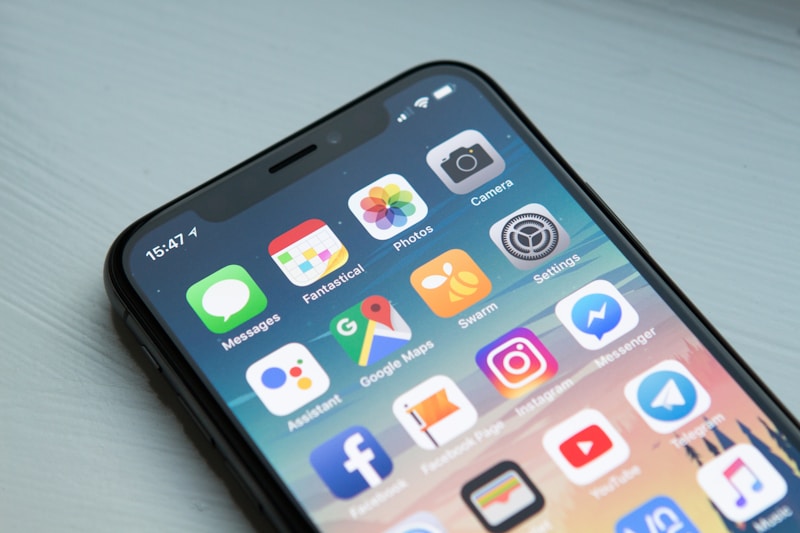
The Amazon Flex app is your command center. Understanding its features deeply will make you faster and help you avoid common problems.
Key App Features to Master
Offers Tab
Where available blocks appear. Features include:
- Filter by station, time, and block length
- See base pay and any surge pricing
- Scheduled offers vs. instant offers
- Reserve blocks up to a week in advance
Itinerary View
Your route during active blocks:
- List view shows all stops in order
- Map view displays route visually
- Tap any stop for customer notes
- Swipe to skip stops (use sparingly)
Activity Hub
Your performance dashboard:
- Current standing level and trend
- Reliability metrics
- Delivery success rate
- Customer feedback summary
Navigation Settings
The Amazon Flex app has built-in navigation, but many drivers prefer external apps:
Amazon Maps
Default option. Shows delivery location precisely but sometimes takes longer routes.
Google Maps
Most accurate traffic data. Enable in app settings for seamless integration.
Waze
Best for avoiding traffic. Community-reported hazards and police.
Critical App Functions
- Package scanning: Use camera or type in TBA code manually if scan fails
- Photo delivery: Always take clear photos showing package and address visible
- Access codes: Check customer notes for gate/apartment codes before arriving
- Problem reporting: Use "I've tried" options for access issues or missing customers
- Support chat: Available for real-time help during blocks
Battery Tip:
Enable battery saver mode on your phone but keep screen brightness high enough to see in sunlight. The app is battery-intensive. Close other apps and consider disabling mobile data for non-essential apps while delivering.
5. The Station Pickup Process
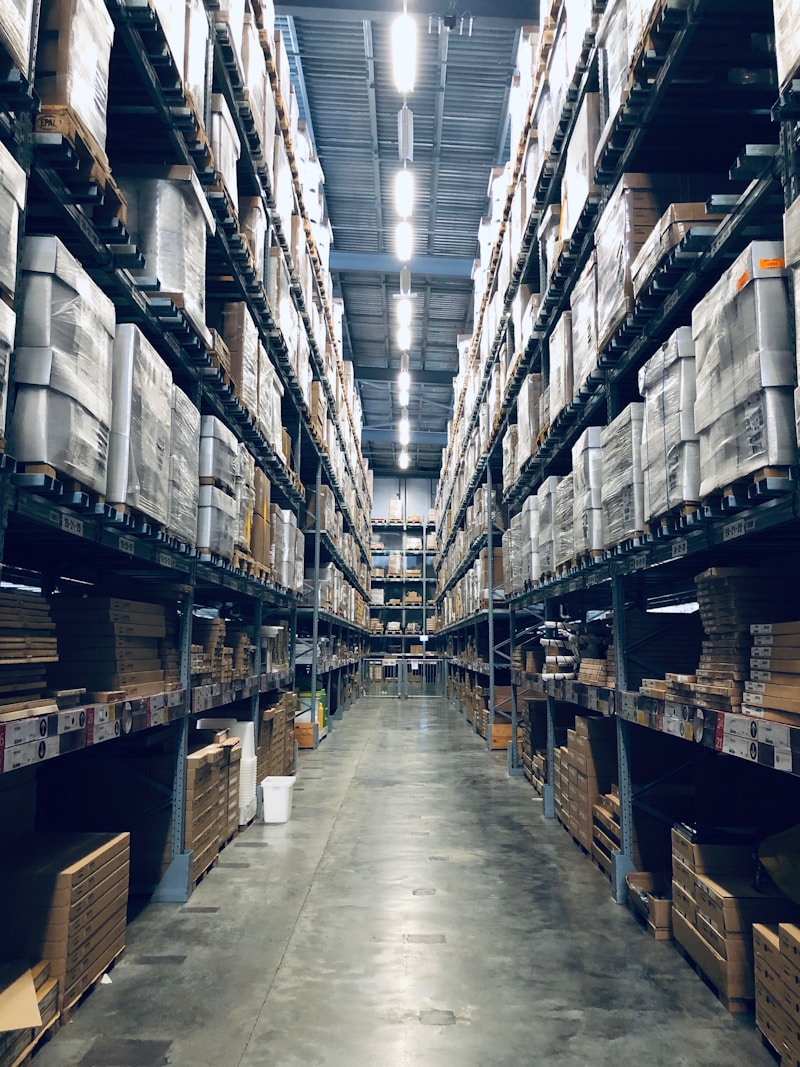
The station pickup can be intimidating for new drivers. Different station types have different processes, but the fundamentals are similar.
Station Types You'll Encounter
DSP Stations (Logistics)
Standard package deliveries from larger facilities:
- Packages pre-sorted on numbered carts
- Typically 30-50 packages per route
- 3-5 hour blocks available
- Mixed residential/business deliveries
Prime Now/Fresh Stations
Grocery and same-day deliveries:
- Fewer stops (typically 5-15)
- Temperature-sensitive items
- Specific delivery windows
- Higher base pay + tips
Whole Foods Stores
Grocery pickup from retail stores:
- Check in at store location
- Staff brings orders to staging area
- Usually 5-12 orders per block
- Tips common and often generous
SSD (Sub Same Day)
Ultra-fast delivery stations:
- Smaller, suburban locations
- Very tight delivery windows
- Fewer packages but time-sensitive
- Routes typically closer together
Station Arrival Protocol
- Arrive early: 10-15 minutes before block start time
- Check in on app: Tap "I've arrived" when within geofence
- Park appropriately: Follow station signs for Flex driver parking
- Enter through driver entrance: Usually separate from employee entrance
- Find your cart: App shows cart/rack number and location
- Scan everything: Every package, every time, no exceptions
- Verify count: Ensure scanned count matches expected count
- Report issues: Missing packages, damaged items, wrong cart
Common New Driver Mistake:
Don't just grab packages and go. Take 2-3 extra minutes to organize packages in your vehicle by zone or stop number. This time investment saves 15-20 minutes on your route.
6. Delivery Basics & Best Practices
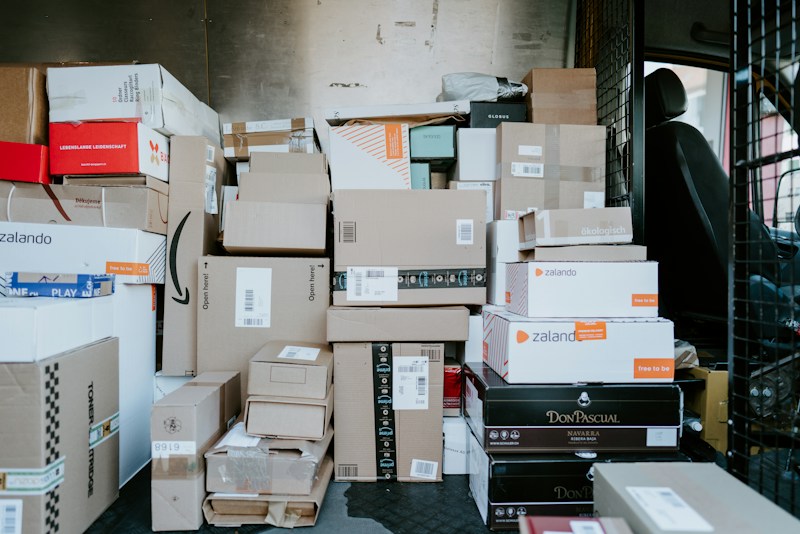
The core of Amazon Flex is getting packages from your car to customers' doors efficiently and correctly. These fundamentals will serve you throughout your Flex career.
The Perfect Delivery Process
-
1
Approach: As you approach, read delivery notes for gate codes, specific instructions, or warnings.
-
2
Park safely: Don't block driveways or traffic. Hazards on in residential areas. Quick and legal.
-
3
Grab correct package: Verify address on package matches stop. Common mistake: grabbing wrong package.
-
4
Walk to door: Use walkways, not across lawns. Watch for dogs, sprinklers, obstacles.
-
5
Place package: Out of sight from street if possible. Not blocking door swing. Protected from weather.
-
6
Photo: Clear photo showing package and address/house number. This protects you from false claims.
-
7
Complete in app: Confirm delivery, ensure stop is marked complete before leaving.
Special Delivery Situations
Apartment Complexes
- Check notes for building/unit access
- Use building maps or ask residents
- Lockers: Follow app prompts exactly
- Call customer if access codes don't work
- Take photo at unit door, not building
Business Deliveries
- During hours: Deliver to reception/front desk
- After hours: Follow notes or use front door
- Get signature if required by app
- Note business name in photo if possible
- Watch for loading dock instructions
Photo Requirements:
Always take delivery photos even when handing directly to customer. This is your proof of delivery. Customers occasionally claim non-delivery; photos protect your standing and prevent deactivation.
7. Common Beginner Mistakes to Avoid

Learning from others' mistakes is faster than making them yourself. These are the most common errors new drivers make, and how to avoid them.
Mistake #1: Delivering to Wrong Address
Why it happens: GPS puts you close but not exact. Similar addresses on same street. Not verifying house numbers.
How to avoid: Always verify the house number matches your app before leaving the package. If unsure, check multiple numbers on nearby houses to confirm your location.
Mistake #2: Skipping Delivery Photos
Why it happens: Rushing, handed to customer, seems unnecessary.
How to avoid: Make photos automatic habit. Even hand-to-customer deliveries should include a quick photo. This is your primary protection against false non-delivery claims.
Mistake #3: Poor Package Organization
Why it happens: Rushing to start route, thinking you'll find packages easily.
How to avoid: Spend 5-10 minutes organizing at the station. Group by zone, use totes, or arrange by stop number. This investment saves 20+ minutes on route.
Mistake #4: Late Station Arrival
Why it happens: Underestimating drive time, not accounting for traffic.
How to avoid: Arrive 15 minutes early until you know the station. Late arrival can result in lost blocks and standing damage. Set phone reminders.
Mistake #5: Accepting Too Many Blocks
Why it happens: Excitement about earning, fear of missing opportunities.
How to avoid: Start with one block per day until comfortable. Forfeiting blocks damages standing more than not accepting them. Quality over quantity initially.
Mistake #6: Ignoring Customer Notes
Why it happens: Not checking before arrival, rushing through deliveries.
How to avoid: Always read notes while approaching. They contain gate codes, dog warnings, preferred drop locations, and other critical information.
Golden Rule for Beginners:
When in doubt, do what protects the customer's package and creates proof of proper delivery. This mindset prevents most standing issues.
8. Building Your Standing Rating

Your standing rating determines block access and your Flex future. New drivers start building their reputation from day one. Understanding how standing works is crucial for long-term success.
Standing Levels Explained
Fantastic
Priority block access, best routes, reserved offers
Great
Good block access, standard priority
Fair
Limited block access, warning zone
At Risk
Deactivation imminent, very limited access
What Affects Your Standing
Positive Factors
- ✓ On-time deliveries
- ✓ Successful delivery completion
- ✓ Positive customer feedback
- ✓ Consistent block completion
- ✓ Following delivery instructions
- ✓ Quality delivery photos
Negative Factors
- ✗ Late deliveries
- ✗ Missing packages
- ✗ Wrong address deliveries
- ✗ Missing/no-show for blocks
- ✗ Customer complaints
- ✗ Excessive returns to station
New Driver Standing Tips
- Start slow: Take fewer blocks initially to ensure quality on each one
- Never forfeit: Only accept blocks you're certain you can complete
- Prioritize completion: Finishing all deliveries matters more than finishing early
- Document everything: Photos, notes about access issues, customer interactions
- Check Activity Hub: Review weekly to catch issues early
- Appeal fairly: If something isn't your fault, appeal with evidence
Standing Recovery:
If your standing drops, it takes consistent good performance over several weeks to recover. Prevention is much easier than recovery. One week of mistakes can take a month to fix.
9. Block Selection Strategy for Beginners

Not all blocks are equal. Choosing the right blocks as a beginner sets you up for success and builds confidence. Here's how to select blocks strategically.
Best Blocks for Beginners
Recommended Starting Blocks
- 3-hour logistics blocks: Shorter, less packages, less overwhelming
- Daytime blocks (9am-4pm): Better visibility, easier address finding
- Weekday blocks: Less traffic, more people home to accept deliveries
- Suburban routes: Easier parking, clearer addresses than urban areas
Blocks to Avoid Initially
Wait Until Experienced
- 5-hour blocks: Exhausting for beginners, higher package counts
- Night blocks (after 6pm): Address finding is much harder in dark
- Downtown/urban routes: Parking challenges, apartment complexes
- Peak holiday blocks: Extremely high package counts and pressure
Block Types Comparison
| Block Type | Difficulty | Best For |
|---|---|---|
| Logistics (3hr) | Easy | Learning the basics |
| Logistics (4-5hr) | Medium | After 10+ blocks experience |
| Prime Now/Fresh | Medium | Fewer stops, tips potential |
| Whole Foods | Easy | Good tips, friendly to beginners |
| Same Day/SSD | Hard | Experienced drivers only |
Block Timing Strategy:
New offers typically drop at specific times (varies by market). Join local Facebook groups to learn your area's patterns. Reserved offers for Fantastic standing drivers release first; regular offers follow.
10. First Week Success Plan
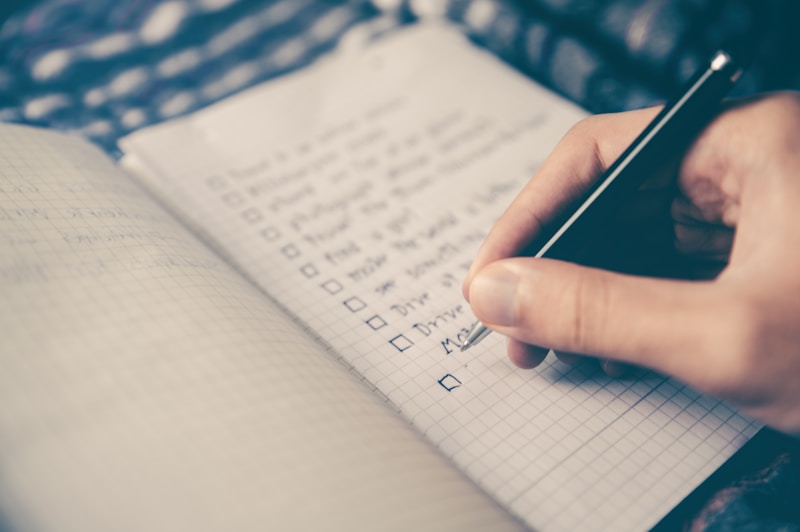
Your first week sets the tone for your Flex career. This structured approach helps you build skills progressively while protecting your standing.
Day 1-2: Foundation
- One 3-hour block only
- Choose daytime, suburban route if possible
- Focus on learning: station process, app navigation, delivery basics
- Don't stress about speed, accuracy is the goal
- Debrief after: What worked? What was confusing?
Day 3-4: Building Confidence
- One to two 3-hour blocks
- Try different stations if available
- Experiment with package organization methods
- Practice reading customer notes before arriving
- Start timing yourself to establish baseline
Day 5-6: Expanding
- Two 3-hour blocks or one 4-hour block
- Try a Whole Foods or Fresh block if curious
- Challenge yourself with a slightly different time slot
- Review Activity Hub for any feedback
- Identify your preferred station and block type
Day 7: Reflection & Planning
- Optional block or rest day
- Review week's earnings and hours
- Calculate effective hourly rate (include gas, time)
- Note what equipment you need
- Plan next week's schedule based on learnings
Week 1 Success Metrics:
- ✓ Complete 5-8 blocks without major issues
- ✓ No missed or forfeited blocks
- ✓ Standing remains positive (Great or Fantastic)
- ✓ Feel comfortable with basic processes
- ✓ Identify your preferred block type and time
11. Earnings Tips for New Drivers

Maximizing earnings comes with experience, but new drivers can apply these fundamentals from day one to start strong.
Understanding Your Pay
2026 Pay Structure
Logistics Blocks
- Base: $18-25/hour
- Surge: +$5-30/block during high demand
- No tips
Fresh/Whole Foods
- Base: $15-22/hour
- Tips: $20-50+ per block
- Total often exceeds logistics
Early Earnings Strategies
- Watch for surge pricing: Blocks increase in price when demand is high. Evening, weekend, and bad weather often surge.
- Complete blocks efficiently: Finishing early means higher effective hourly rate. Focus on organization.
- Try different block types: Whole Foods tips can significantly boost earnings even though base is lower.
- Track actual earnings: Calculate your true hourly rate including gas and vehicle wear.
- Learn peak times: Your market has specific high-demand periods. Local drivers know these.
Expense Awareness
Track These Costs
Fuel
$15-30/block depending on route length
Vehicle Wear
IRS rate: 67¢/mile (2026)
Phone/Supplies
Monthly data, chargers, bags
Tax Tip:
Start tracking mileage from day one. Use an app like Stride or Everlance. Amazon Flex income is self-employment income, you'll owe taxes on it, but expenses and mileage significantly reduce your tax burden.
12. Frequently Asked Questions
How much do Amazon Flex drivers make as beginners?
Amazon advertises $18 to $25 an hour (flex.amazon.com), before expenses, with rates varying by location, block type, and time. Pay is per block, so as you get faster, efficiency and strategic block selection can raise your effective hourly rate. Fresh and Whole Foods blocks with tips can push earnings even higher.
What should I bring on my first Amazon Flex delivery?
Essential items for your first delivery include: a fully charged phone with phone mount, portable charger, water bottle, comfortable walking shoes, flashlight for finding addresses, plastic bags for rain protection, and optionally a small bag or tote for carrying multiple packages. You'll learn what else helps based on your specific routes.
How long does it take to get approved for Amazon Flex?
Amazon Flex approval typically takes 2-7 days after submitting your application. The background check is the main factor affecting timeline. Some drivers are approved within 48 hours, while others may wait up to two weeks during busy hiring periods. Ensure all documents are clear and accurate to avoid delays.
Can you make Amazon Flex a full-time job?
Some drivers do work Amazon Flex full-time. At the advertised $18 to $25 an hour, 40 hours of blocks would gross about $720-1,000 a week before expenses, if that many blocks are available. However, block availability varies by location, and full-time drivers often supplement with other gig apps during slow periods. Building Fantastic standing is essential for consistent full-time block access.
What happens if I can't deliver all my packages?
If you can't complete deliveries, return undelivered packages to the station before it closes. Occasional returns don't significantly impact standing if properly documented (customer not home, access issues, etc.). However, frequent incomplete routes will lower your standing and reduce block access. Always try to complete all deliveries when possible.
Is my car good enough for Amazon Flex?
Amazon requires a 4-door mid-size sedan or larger. Most standard sedans (Camry, Accord, etc.) work fine for regular logistics blocks. For larger routes or Fresh deliveries, SUVs and hatchbacks offer more cargo space. Your car should be reliable, have working A/C, and be presentable, you're representing Amazon to customers.
Your Amazon Flex Journey Starts Now
Every successful Flex driver was once a nervous beginner. With the strategies in this guide, you're already ahead of most new drivers. Remember: focus on accuracy before speed, protect your standing, and keep learning from each block.
New Driver Checklist
- ✓ Complete onboarding and training videos
- ✓ Prepare vehicle and essential supplies
- ✓ Start with shorter daytime blocks
- ✓ Master package organization at station
- ✓ Always take delivery photos
- ✓ Track expenses and mileage from day one
- ✓ Build your standing through consistent quality
Related Guides
App Navigation Guide
Master every feature of the Flex app

Standing Ratings Guide
Achieve and maintain Fantastic status

Earnings Maximization
Strategies to boost your income

About Glen Meade
Founder of FlexDriverGuide and SideQuestHustle.com. I research gig economy platforms, pay policies and public driver discussions to bring you practical strategies. My goal is to help you maximize your earnings while avoiding common pitfalls.