Table of Contents
Weather conditions can make or break your Amazon Flex earnings. While many drivers avoid bad weather days, savvy Flex drivers understand that adverse conditions often mean surge pricing, less competition, and higher tips from grateful customers. However, delivering in challenging weather requires proper preparation, technique, and knowing your limits. This comprehensive 2026 guide covers everything you need to safely maximize earnings when Mother Nature throws her worst at you.
1. Weather Surge Earnings Opportunity

Bad weather creates significant earning opportunities for Amazon Flex drivers willing to work when others stay home. Understanding how weather affects block pricing helps you capitalize on these conditions while staying safe.
Weather Surge Pricing Patterns
Why Weather Pays More
- Reduced driver availability: Many drivers forfeit blocks or don't schedule during forecast bad weather
- Increased demand: Customers order more when they don't want to go out themselves
- Amazon's delivery commitments: Same-day and Prime promises must be met regardless of weather
- Surge algorithm activation: Amazon automatically increases rates when driver supply drops
- Higher customer tips: Grateful customers often tip extra during bad weather
Pro Strategy:
Monitor weather forecasts 3-5 days out. When bad weather is predicted, avoid scheduling blocks early. As the weather event approaches, watch for surge pricing. The best rates typically appear 12-24 hours before the storm when drivers start forfeiting.
2. Driving in Rain & Wet Conditions

Rain is the most common adverse weather condition you'll encounter as a Flex driver. Proper techniques keep you safe and efficient while protecting customer packages from water damage.
Essential Rain Driving Techniques
Speed & Distance
- Reduce speed by 10-15 mph on highways
- Increase following distance to 4-5 seconds
- Brake earlier and more gradually
- Avoid sudden lane changes
- Use cruise control sparingly
Visibility
- Turn on headlights (required by law in most states)
- Use windshield wipers at appropriate speed
- Apply Rain-X or similar treatment
- Defog windows with A/C + heat
- Clean mirrors before each block
Hydroplaning Prevention
Hydroplaning occurs when your tires lose contact with the road surface due to water buildup. This is most dangerous during the first 10 minutes of rain when oil mixes with water.
If You Start Hydroplaning:
- Don't panic or slam brakes
- Ease off the accelerator gradually
- Keep steering wheel straight
- Wait for tires to regain traction
- Once stable, reduce speed significantly
Puddle Navigation
- Avoid large puddles: They can hide potholes or be deeper than expected
- Never drive through moving water: Six inches of moving water can knock you down; two feet can float a car
- Test your brakes: After driving through water, lightly tap brakes to dry them
- Residential streets: Watch for drainage issues that create deep standing water
3. Snow & Ice Delivery Techniques

Winter weather presents the highest risk but also the highest earning potential for Flex drivers. Snow and ice require specialized techniques, equipment, and judgment about when conditions become too dangerous.
Snow Driving Fundamentals
The Slow and Steady Rule
Everything takes longer in snow: accelerating, braking, and turning. Plan for everything to take 3-4 times as long as normal. Reduce your speed by at least 50% in snowy conditions.
Starting & Stopping
- Accelerate gently to avoid wheel spin
- Start braking well before stops
- Use gentle, steady brake pressure
- Downshift to help slow down (if manual)
- Leave extra room at intersections
Turning & Hills
- Slow down before turns, not during
- Maintain steady speed through curves
- Approach hills with momentum
- Don't stop going uphill if possible
- Descend hills in lower gear
Black Ice Awareness
Black ice is the invisible killer on winter roads. It forms when temperatures drop near freezing, especially on bridges, overpasses, and shaded areas.
High-Risk Black Ice Locations:
- Bridges and overpasses (freeze first)
- Shaded areas under trees or buildings
- Intersections (polished by tire action)
- Early morning hours (coldest time)
- Areas near water or drainage
Getting Unstuck
Even careful drivers sometimes get stuck in snow. Here's how to free yourself:
- Don't spin wheels: This only digs you deeper and melts snow into ice
- Straighten wheels: Turn steering wheel straight for best traction
- Clear around tires: Remove snow from around all four wheels
- Use traction aids: Cat litter, sand, or floor mats under drive wheels
- Rock the vehicle: Gently alternate between forward and reverse
- Reduce tire pressure: Slightly deflating tires increases surface contact (reinflate after)
Essential Winter Gear
- Ice scraper/snow brush
- Bag of cat litter/sand
- Small shovel
- Jumper cables
- Winter boots (for deliveries)
- Warm gloves
- Hand warmers
- Blanket
- Flashlight
- Phone charger
- Snacks and water
- First aid kit
4. Extreme Heat Precautions

Extreme heat poses serious risks to both drivers and certain package contents. Summer temperatures above 90-100°F require special precautions to protect your health and maintain delivery quality.
Personal Heat Safety
Heat Exhaustion Warning Signs
- Heavy sweating followed by little or no sweating (dangerous!)
- Weakness and fatigue beyond normal tiredness
- Dizziness or confusion
- Nausea or vomiting
- Rapid heartbeat even when resting
- Headache that doesn't improve with water
If you experience these symptoms: Stop immediately, get to air conditioning, drink water, and seek medical attention if symptoms worsen.
Hydration Strategy
Do This
- Drink water before you feel thirsty
- Bring a cooler with ice and water
- Aim for 8+ oz every 30 minutes
- Include electrolyte drinks for long blocks
- Eat water-rich snacks (fruit, vegetables)
Avoid This
- Energy drinks (cause dehydration)
- Excessive caffeine
- Alcohol before or during shifts
- Heavy, greasy meals
- Waiting until you're thirsty to drink
Vehicle Heat Management
- Park strategically: Use shaded spots whenever possible between stops
- Use sunshades: Reflective windshield covers reduce interior temperatures significantly
- Crack windows: When safe, leave windows slightly open to prevent heat buildup
- Pre-cool your car: Start A/C a few minutes before loading packages
- Monitor tire pressure: Heat increases pressure; check regularly to avoid blowouts
Heat-Sensitive Package Alert:
Some items melt or degrade in heat: chocolate, candles, cosmetics, medications, and electronics. For Amazon Fresh/Whole Foods deliveries, this is critical. Keep perishables in cooler areas of your vehicle and deliver promptly.
Optimal Hot Weather Schedule
In extreme heat, timing matters. Consider these scheduling strategies:
- Early morning blocks (4am-10am): Coolest temperatures, less vehicle strain
- Evening blocks (6pm-10pm): Cooling temperatures, often surge pricing due to lower supply
- Avoid midday (11am-4pm): Peak heat, hardest on you and your vehicle
- Fresh/WF priority: Morning grocery blocks help maintain cold chain
5. Thunderstorms & Severe Weather
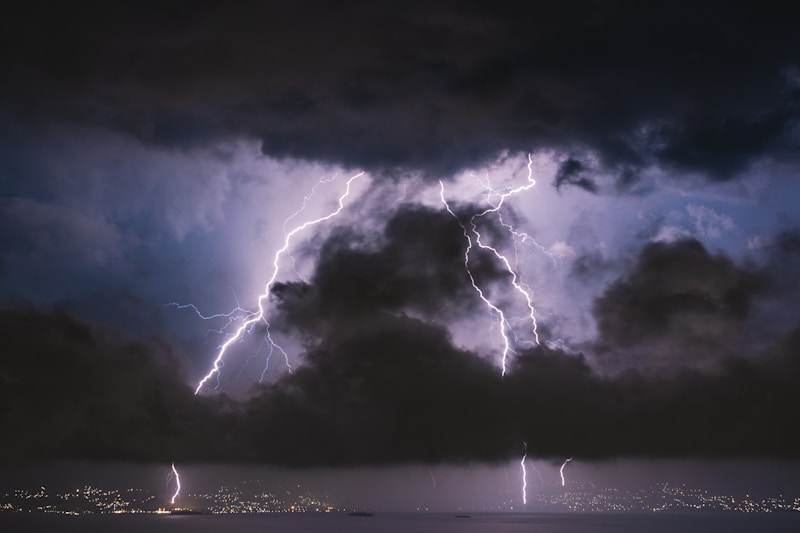
Severe weather including thunderstorms, tornadoes, and hurricanes requires immediate attention and often means pausing deliveries for safety. Understanding when to push through and when to shelter is crucial.
Thunderstorm Safety Protocol
The 30-30 Lightning Rule
If the time between seeing lightning and hearing thunder is 30 seconds or less, lightning is close enough to be dangerous. Seek shelter and wait 30 minutes after the last thunder before resuming deliveries.
Safe to Continue
- Light rain without lightning
- Distant thunder (30+ seconds after flash)
- Storm moving away from you
- Good visibility maintained
- Road conditions remain safe
Stop and Shelter
- Frequent nearby lightning
- Tornado warnings issued
- Visibility below 1/4 mile
- Hail of any size
- Flash flood warnings
Tornado Safety
If a tornado warning is issued for your area:
- Don't try to outrun it: Tornadoes are unpredictable and can change direction
- Abandon your vehicle: Cars are dangerous in tornadoes
- Find shelter: Sturdy building, basement, or interior room away from windows
- If no shelter: Lie flat in the lowest area (ditch) and cover your head
- Never shelter under overpasses: They can create wind tunnel effects
Hurricane/Tropical Storm Procedures
Amazon typically suspends operations before major hurricanes. However, during tropical storms or hurricane aftermath:
- Watch for debris: Fallen trees, power lines, and road obstructions
- Avoid flooded roads: Never drive through standing water of unknown depth
- Report conditions: Use the app to report unsafe delivery locations
- Expect high surges: Post-storm blocks often have significant surge pricing
6. Vehicle Preparation Essentials
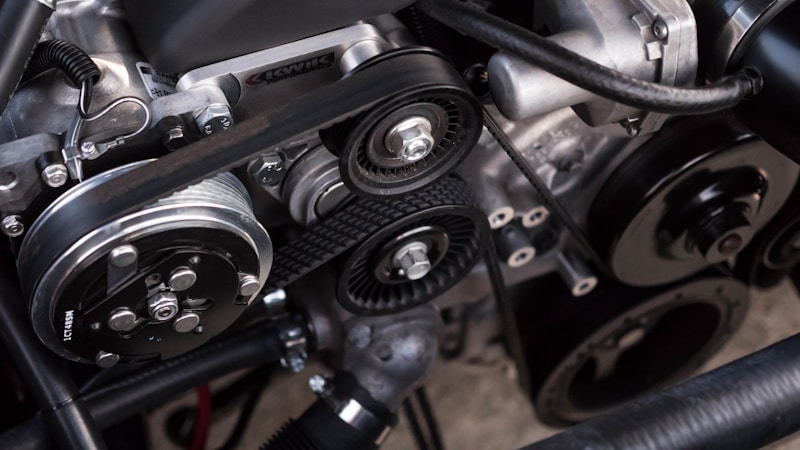
Your vehicle is your business asset. Proper preparation for adverse weather protects both your safety and your income. A breakdown during a block costs time, money, and affects your standing.
Tire Requirements by Condition
| Condition | Minimum Tread | Recommended Tire Type |
|---|---|---|
| Dry Roads | 2/32" | All-season |
| Wet/Rain | 4/32" | All-season with good wet rating |
| Light Snow | 5/32" | All-season (M+S rated) |
| Heavy Snow/Ice | 6/32" | Winter tires (3-peak mountain symbol) |
Pre-Weather Checklist
Fluids
- ☐ Windshield washer fluid (winter formula in cold)
- ☐ Coolant level and concentration
- ☐ Oil level (cold weather can thicken oil)
- ☐ Brake fluid
- ☐ Fuel tank at least half full
Systems
- ☐ Wiper blades (replace if streaking)
- ☐ All lights working
- ☐ Battery health (especially before winter)
- ☐ Heater/defroster function
- ☐ A/C function (for defog and summer)
Battery Warning:
Batteries lose power in cold weather. A battery that's marginal in summer may fail completely in winter. If your battery is more than 3-4 years old, have it tested before winter or replace it preemptively.
Weather-Specific Preparations
- Before rain: Check wipers, tire tread, and headlight/taillight function
- Before snow: Install winter tires or verify all-seasons are adequate, check antifreeze
- Before heat: Check coolant, A/C, and tire pressure (heat increases pressure)
- Before any severe weather: Full gas tank, charged phone, emergency supplies
7. Protecting Packages from Weather
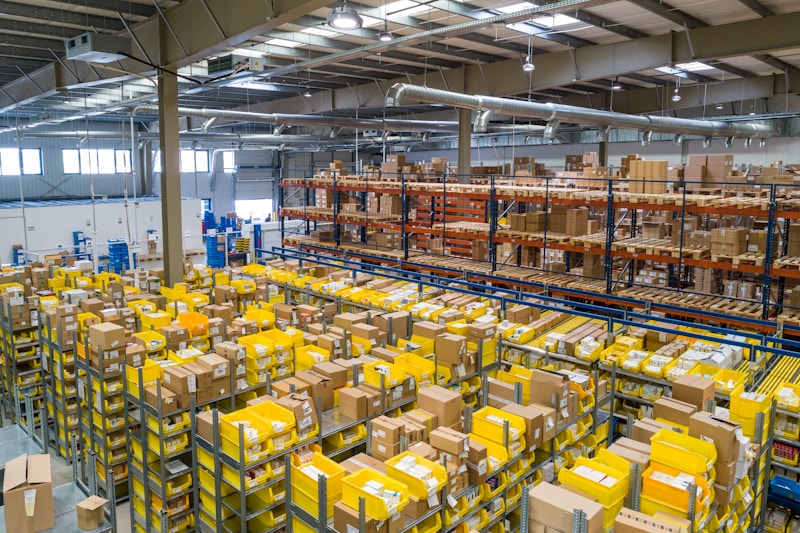
Damaged packages mean customer complaints, potential standing impacts, and lost business. Protecting packages from weather is as important as safe driving. Invest in proper supplies and techniques.
Essential Package Protection Supplies
For Rain
- Large plastic bags (13-gallon)
- Contractor trash bags
- Plastic wrap/cling film
- Waterproof totes/bins
For Heat
- Insulated grocery bags
- Cooler with ice packs
- Reflective blanket
- Shade cloths
For Cold
- Insulated bags (keep frozen items frozen)
- Hand warmers (prevent freezing of liquids)
- Blankets for coverage
- Waterproof covers
Door-to-Door Protection Strategy
- Scout the location: Before exiting, identify the best path and covered drop location
- Prepare in vehicle: Place packages in plastic bag while still in car
- Quick transport: Use an umbrella or move quickly to minimize exposure
- Find cover: Place under eaves, porches, or in storm doors when possible
- Photo documentation: Take delivery photo showing package is protected
Creative Placement Tips:
- Between storm door and main door (if unlocked)
- Under patio furniture if covered
- Inside open garages (visible from street)
- Behind pillars or posts that block rain
- In plastic bag even if under cover (belt and suspenders)
Fresh & Grocery Special Handling
Amazon Fresh and Whole Foods deliveries require extra weather attention due to perishables:
- Temperature chain: Maintain cold items cold, frozen items frozen
- Last delivery priority: Deliver temperature-sensitive items early in your route
- Heat management: Never leave groceries in a hot car; organize for fastest unloading
- Customer communication: If items may be affected, use the app to alert customers
8. Navigation in Poor Visibility

Poor visibility from rain, fog, snow, or darkness makes navigation challenging. Smart use of technology and awareness of visual cues keeps you on track safely.
GPS and App Best Practices
- Audio navigation: Increase volume so you can hear directions without looking at screen
- Download offline maps: Bad weather can affect cellular signals
- Set destinations before driving: Never program GPS while moving
- Use night mode: Reduces screen glare and eye strain
- Zoom out view: See upcoming turns earlier in limited visibility
Finding Addresses in Poor Conditions
Before Arrival
- Preview the location on map before departing
- Note landmarks (color of house, nearby businesses)
- Check for delivery notes about location
- Look at satellite view for driveway location
On Arrival
- Slow down before expected address
- Use high beams briefly if no oncoming traffic
- Look for house numbers on mailboxes
- Count houses from a visible number
Fog-Specific Navigation
- Use low beams only: High beams reflect off fog and reduce visibility
- Use fog lights if equipped: They're angled lower to illuminate road surface
- Follow road markings: Use right edge line as a guide
- Open windows: Listen for traffic you can't see
- Don't stop on road: Pull completely off road if you must stop
Rural Delivery Tip:
In rural areas with poor visibility, mailboxes often have reflective numbers. They may be your best bet for finding the correct address when house numbers aren't visible from the road.
9. Emergency Kit Requirements

Every Flex driver should carry emergency supplies year-round, but weather-related emergencies require specific gear. A well-stocked emergency kit could save your life or get you back on the road quickly.
Year-Round Emergency Essentials
Safety Items
- ☐ First aid kit
- ☐ Flashlight with extra batteries
- ☐ Reflective triangles or flares
- ☐ Jumper cables or jump starter
- ☐ Fire extinguisher (small)
- ☐ Seat belt cutter/window breaker
Practical Items
- ☐ Phone charger (car + portable battery)
- ☐ Basic tool kit
- ☐ Duct tape
- ☐ Water bottles
- ☐ Non-perishable snacks
- ☐ Paper towels
Winter-Specific Additions
- ☐ Ice scraper/snow brush
- ☐ Small shovel
- ☐ Bag of sand/cat litter
- ☐ Tire chains (if legal in area)
- ☐ Warm blanket
- ☐ Extra warm clothing
- ☐ Winter gloves
- ☐ Hand/toe warmers
- ☐ Lock de-icer
- ☐ Extra windshield washer fluid
- ☐ Traction mats
- ☐ High-energy snacks
Summer-Specific Additions
- ☐ Extra water (1 gallon minimum)
- ☐ Sunscreen
- ☐ Sunglasses
- ☐ Hat for sun protection
- ☐ Electrolyte drinks/tablets
- ☐ Cooling towel
- ☐ Windshield sunshade
- ☐ Coolant/water for radiator
Investment Tip:
A quality portable jump starter ($50-100) pays for itself the first time you use it. Modern lithium units are compact enough to keep in your glovebox and can start your car multiple times on a single charge.
10. Knowing When to Stop
The most important weather driving skill is knowing when conditions have become too dangerous. Your life is worth more than any delivery. Amazon and customers can wait; a fatal accident can't be undone.
Absolute Stop Conditions
Stop driving immediately if you encounter:
- Tornado warning for your area
- Flash flood with water on roads
- Zero visibility from snow, fog, or rain
- Widespread power outages affecting traffic signals
- Road closures or emergency vehicles blocking routes
- Your vehicle developing mechanical problems
- You feeling impaired by fatigue, illness, or disorientation
Proceed with Caution Conditions
Consider stopping or significantly reducing pace:
- Visibility reduced to 1/4 mile or less
- Roads becoming icy despite treatment
- Other vehicles sliding or off road
- Thunder closer than 30 seconds after lightning
- Wind gusts making vehicle hard to control
- Roads flooding in low areas
How to Handle Weather-Related Stops
- Find safe parking: Well-lit parking lots, gas stations, or commercial areas
- Document conditions: Take photos/video of the weather and road conditions
- Contact support: Use the Amazon Flex app to report weather issues
- Mark packages undeliverable: If you can't complete deliveries, mark them properly
- Wait it out: Many severe weather events pass within 30-60 minutes
- Return to station if necessary: If conditions won't improve, return undelivered packages
Standing Protection:
Amazon generally shows leniency for weather-related delivery failures. Document conditions with photos, report through the app, and make reasonable attempts. Your standing is unlikely to suffer from legitimate weather-related issues if properly documented.
11. Seasonal Delivery Strategies

Each season brings unique weather challenges and opportunities. Strategic drivers adjust their approach throughout the year to maximize earnings while minimizing risk.
Spring Strategy (March-May)
Challenges
- Unpredictable weather patterns
- Severe storm season begins
- Muddy driveways/roads
- Pothole season (frost heave damage)
Opportunities
- Surge pricing during spring storms
- Longer daylight hours
- Tax refund spending = more packages
- Competition still low from winter slowdown
Summer Strategy (June-August)
Challenges
- Extreme heat affecting you and packages
- Afternoon thunderstorms (daily in some regions)
- Higher driver competition (students working)
- Vehicle A/C strain and fuel costs
Opportunities
- Early morning blocks before heat
- Prime Day surge pricing
- Heat-shy drivers = less competition
- Late evening blocks with cooler temps
Fall Strategy (September-November)
Challenges
- Wet leaves creating slippery surfaces
- Earlier darkness (adjust to DST)
- Deer activity increases
- First frost catches drivers off-guard
Opportunities
- Holiday shopping surge begins
- Black Friday/Cyber Monday premium blocks
- Moderate temperatures = comfortable driving
- Students return to school = less competition
Winter Strategy (December-February)
Challenges
- Snow, ice, and cold temperatures
- Short daylight hours
- Vehicle cold-start issues
- Slippery walkways at deliveries
Opportunities
- Highest surge pricing of the year
- Peak holiday season earnings
- Many drivers avoid winter = less competition
- Higher customer tips for bad weather
12. Frequently Asked Questions
Does Amazon Flex pay more during bad weather?
Yes, Amazon often increases block rates during severe weather due to lower driver availability. Surge pricing can increase base rates by 50-100% or more during storms, making bad weather potentially lucrative for prepared drivers. The worse the forecast, the higher rates typically climb as more drivers forfeit blocks.
Can I cancel an Amazon Flex block due to weather?
Yes, you can forfeit blocks due to dangerous weather conditions. While last-minute forfeits typically affect your standing, Amazon generally shows leniency for severe weather situations. Document conditions with photos if possible. For true severe weather (tornado warnings, blizzards), Amazon often cancels blocks proactively.
What happens if packages get wet during rain deliveries?
Amazon expects drivers to protect packages from weather. Use plastic bags, your car's cover, or waterproof containers. If packages arrive damaged due to weather, it can affect your standing and result in customer complaints. Invest in proper protection supplies - they're tax deductible and prevent problems.
Is it safe to deliver during thunderstorms?
Light thunderstorms with distant lightning are generally manageable with caution. However, during severe thunderstorms with frequent nearby lightning, it's advisable to wait in your vehicle until conditions improve. Your safety comes first. Amazon understands weather delays, and brief pauses during dangerous lightning are acceptable.
What tires are best for Amazon Flex weather driving?
All-season tires work well for most conditions and are sufficient for light snow areas. In areas with heavy snow, dedicated winter tires significantly improve safety and are worth the investment. Ensure tires have adequate tread depth (minimum 4/32" for rain, 6/32" for snow) and maintain proper inflation. Consider a second set of wheels with winter tires for easy seasonal swaps.
Should I work Fresh/Whole Foods blocks in bad weather?
Fresh and Whole Foods blocks can be excellent during bad weather because customers still need groceries but don't want to go out. Tips are often higher during inclement weather. However, be extra careful with temperature-sensitive items and plan routes to deliver quickly. The insulated bags provided help maintain temperature during brief exposure to elements.
Weather Driving Mastery = Higher Earnings
Drivers who master weather conditions have a significant competitive advantage. While others stay home or forfeit blocks, you can capitalize on surge pricing and grateful customers. The key is preparation: proper vehicle maintenance, essential supplies, and the wisdom to know when conditions exceed safe limits.
Your Weather Driving Checklist
- ✓ Vehicle prepared for current season conditions
- ✓ Emergency kit stocked and accessible
- ✓ Package protection supplies on hand
- ✓ Weather monitoring app installed
- ✓ Safe driving techniques practiced
- ✓ Clear understanding of when to stop
Related Guides
Route Optimization Guide
Master efficiency for faster completion

Standing Ratings Guide
Achieve and maintain Fantastic status

Earnings Maximization Guide
Strategies to boost your income

About Glen Meade
Founder of FlexDriverGuide and SideQuestHustle.com. I research gig economy platforms, pay policies and public driver discussions to bring you practical strategies. My goal is to help you maximize your earnings while avoiding common pitfalls.