
Amazon Flex vs Uber Eats: Which delivery platform is right for you in 2026?
Quick Answer: Which Is Better?
Choose Amazon Flex If:
- - You want guaranteed hourly pay
- - You prefer scheduled blocks
- - You have a mid-size or larger vehicle
- - You're 21+ years old
Choose Uber Eats If:
- - You want work-anytime flexibility
- - You prefer food delivery over packages
- - You have any vehicle (car/bike/scooter)
- - You're 18-20 years old
Many successful drivers use BOTH platforms to maximize earnings!
Table of Contents
1. Platform Overview
Amazon Flex and Uber Eats are both major players in the gig delivery space, but they operate very differently and deliver different products.
Amazon Flex
- Type: Package & grocery delivery
- Founded: 2015
- Available: 50+ US cities
- Model: Scheduled delivery blocks
- Pay: $18-25/hour base
Uber Eats
- Type: Food & retail delivery
- Founded: 2014
- Available: 6,000+ US cities
- Model: On-demand orders
- Pay: Variable + tips
Fundamental Difference
Amazon Flex: You schedule a 3-5 hour "block," pick up packages from a warehouse, and deliver them along a predetermined route. Pay is guaranteed for the full block.
Uber Eats: You go online whenever you want and receive individual food delivery offers. You accept or decline each order. Pay depends on distance, time, and customer tips.
2. Pay Comparison: Who Pays More?

2026 Pay Rates Comparison
| Metric | Amazon Flex | Uber Eats |
|---|---|---|
| Base Pay Structure | $18-25/hour (guaranteed) | Per-delivery (variable) |
| Average Hourly (with tips) | $20-28/hour | $15-28/hour |
| Peak/Surge Pay | $25-40/hour | $25-45/hour |
| Slow Period | $18-22/hour | $8-15/hour |
| Tips | Grocery blocks only | Every order |
| Pay Consistency | Very Consistent | Highly Variable |
Amazon Flex Wins When:
- - You want guaranteed income
- - It's a slow delivery day
- - Surge blocks are available
- - You get grocery blocks with tips
- - You prefer predictability
Uber Eats Wins When:
- - Tips are generous in your area
- - It's dinner rush (5-9 PM)
- - Quest bonuses are active
- - You're in a busy urban zone
- - You can cherry-pick orders
The Verdict on Pay
Amazon Flex offers more consistent earnings with less stress. Uber Eats has higher ceiling potential but also lower floors. For reliable income, Flex wins. For maximizing peak hours, Uber Eats can win big.
3. Schedule Flexibility
Amazon Flex Scheduling
- How it works: Grab blocks 24-48 hours in advance
- Block lengths: 3, 3.5, 4, or 5 hours
- Commitment: Must complete grabbed blocks
- Cancellation: Affects your standing
- Competition: High for good blocks
Best for: Planned schedules, consistent workers
Uber Eats Scheduling
- How it works: Go online whenever you want
- Session lengths: Any length you choose
- Commitment: None - stop anytime
- Cancellation: End session freely
- Competition: Based on demand
Best for: Spontaneous work, variable schedules
Flexibility Winner: Uber Eats
Uber Eats clearly wins on flexibility. You can start and stop whenever you want, take breaks, and have zero commitment. Amazon Flex requires planning and completing scheduled blocks.
4. Requirements & Sign-Up
| Requirement | Amazon Flex | Uber Eats |
|---|---|---|
| Minimum Age | 21 years old | 18 years old (19 in some areas) |
| Vehicle Type | 4-door mid-size+ car | Car, scooter, bike, or walk |
| Driver's License | Required | Required for car delivery |
| Insurance | Personal auto required | Personal auto required (car) |
| Background Check | Yes | Yes |
| Sign-Up Time | 1-3 weeks (waitlist possible) | 1-5 days typically |
Key Difference: Age & Vehicle
Uber Eats accepts 18-year-olds and any mode of transportation. Amazon Flex requires 21+ and a mid-size or larger vehicle. If you're younger or don't have a car, Uber Eats is your option.
5. Day-to-Day Experience

A Typical Amazon Flex Shift
- 1 Arrive at warehouse early
- 2 Check in via app
- 3 Load 25-50 packages
- 4 Follow app navigation
- 5 Deliver, photo, repeat
Packages: 25-50 | Interaction: Minimal
A Typical Uber Eats Session
- 1 Go online from anywhere
- 2 Receive order offer
- 3 Accept or decline
- 4 Pick up from restaurant
- 5 Deliver to customer
Orders: 2-4/hour | Interaction: Frequent
Work Experience Summary
Amazon Flex:
- - More physical (heavy packages)
- - Less customer interaction
- - Predictable route
- - No restaurant waits
Uber Eats:
- - Less physical (food bags)
- - More customer interaction
- - Unpredictable order flow
- - Restaurant wait times
6. Vehicle Wear & Expenses
| Expense Factor | Amazon Flex | Uber Eats |
|---|---|---|
| Miles per Hour | 15-25 miles | 8-18 miles |
| Driving Type | Suburbs, highway | City, stop-and-go |
| Brake Wear | Lower | Higher |
| Parking Hassles | Low (residential) | High (restaurants) |
7. Tips & Bonuses
Amazon Flex Tips
- Logistics: No tips
- Whole Foods: Tips common, $5-25/block
- Fresh: Tips common, $3-15/block
- Timing: Appear within 24 hours
Bonus: Surge pricing during high demand
Uber Eats Tips
- Every Order: Tips on most deliveries
- Average: $2-8 per order
- Timing: Visible after 1 hour
- Percentage: Varies by customer
Bonuses: Quest bonuses, Boost zones, Surge pricing
8. Pros & Cons
Amazon Flex
Pros
- Guaranteed pay per block
- No restaurant waiting
- Less customer interaction
- Predictable work hours
Cons
- Must schedule in advance
- Competitive block grabbing
- Heavy lifting required
Uber Eats
Pros
- Work anytime, no scheduling
- Stop anytime you want
- Any vehicle works
- Tips on every order
Cons
- Inconsistent earnings
- Restaurant wait times
- Slow periods earn little
9. Multi-App Strategy: Using Both
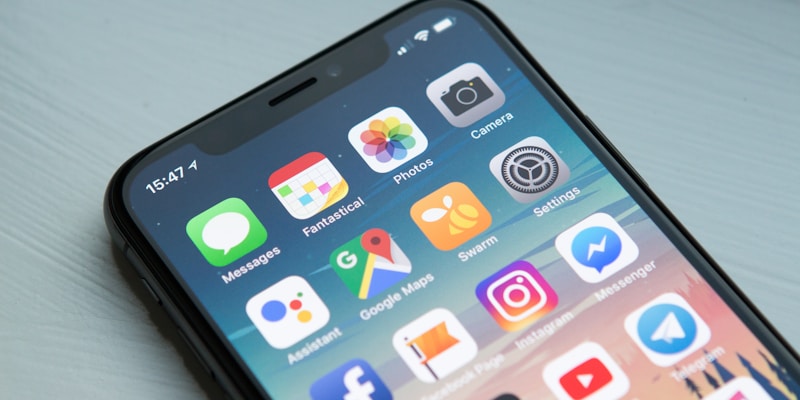
The smartest drivers use both platforms strategically to maximize earnings.
The Best Multi-App Strategy
- 1 Use Flex as your base: Schedule blocks for guaranteed pay
- 2 Uber Eats between blocks: Fill gaps with on-demand orders
- 3 Uber Eats during Flex slow days: When no blocks are available
- 4 Prioritize Flex surge blocks: They usually outpay Uber Eats
- 5 Uber Eats dinner rush: 5-9 PM can outpace Flex base rates
10. Frequently Asked Questions
Does Amazon Flex or Uber Eats pay more?
Amazon Flex typically pays $18-25 per hour with guaranteed block rates, while Uber Eats averages $15-25 per hour including tips with more variability. Flex offers more predictable income with scheduled blocks, while Uber Eats can pay more during peak times with good tips.
Is Amazon Flex better than Uber Eats?
It depends on your preferences. Amazon Flex is better for guaranteed hourly pay and scheduled work. Uber Eats is better for flexibility to work anytime and potential high tips. Many drivers do both platforms to maximize earnings.
Can you do Amazon Flex and Uber Eats at the same time?
Yes, you can be active on both platforms. Many drivers use Uber Eats between Flex blocks or during slow Flex periods. However, never accept Uber Eats orders while on an active Flex block as this violates Amazon's policies.
Which has better hours - Amazon Flex or Uber Eats?
Uber Eats offers more flexibility - you can go online anytime without scheduling. Amazon Flex requires scheduling blocks in advance. Uber Eats is better for spontaneous work; Flex is better for planned schedules.
Gear That Works for Flex + Uber Eats
Same equipment, multiple income streams - all tax-deductible
Ready to Start Earning?
Now you know the differences. Many successful drivers use both platforms for maximum flexibility and earnings!

About Glen Meade
Founder of FlexDriverGuide and SideQuestHustle.com. I research gig economy platforms, pay policies and public driver discussions to bring you practical strategies. My goal is to help you maximize your earnings while avoiding common pitfalls.