Amazon Flex SSD Logistics Guide 2026: Same-Day Delivery Mastery
Master the fast-paced world of same-day and Sub-Same-Day delivery blocks. Learn station operations, route optimization, and strategies for excelling in Amazon's time-sensitive logistics program.

Table of Contents
1. Understanding SSD Deliveries
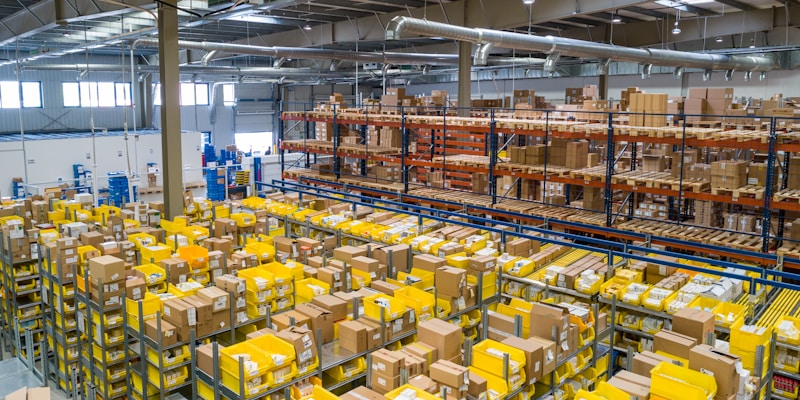
SSD, or Sub-Same-Day, represents Amazon's fastest delivery tier. When customers order eligible items with same-day delivery, their packages enter a time-critical logistics chain designed for delivery within hours rather than days. Flex drivers play a crucial role in this final-mile delivery network.
Same-day delivery customers have high expectations. They've specifically chosen expedited shipping and expect packages to arrive within promised windows. This customer segment is particularly sensitive to delays, making on-time performance especially important for SSD blocks.
SSD blocks typically operate throughout the day with multiple delivery waves. Morning blocks handle early orders, midday waves cover late-morning purchases, and evening blocks complete afternoon orders. This continuous operation creates numerous block opportunities throughout operating hours.
The SSD program has expanded significantly as Amazon invests in faster delivery infrastructure. More logistics stations now support same-day operations, creating increased opportunities for Flex drivers. Understanding SSD operations positions you to access these growing delivery opportunities.
2. Logistics Station Operations
Logistics stations are Amazon's final-mile delivery hubs. Unlike large fulfillment centers, logistics stations focus solely on sorting and dispatching packages for local delivery. These facilities receive already-sorted packages from larger facilities and prepare them for driver pickup throughout the day.
SSD logistics stations operate with high efficiency to meet same-day promises. Packages arrive continuously, are sorted into driver routes, and staged for pickup within tight timeframes. The station workflow is designed for speed, requiring drivers to integrate smoothly into the operation.
Station layouts typically include driver check-in areas, package staging zones organized by route, and vehicle loading areas. Familiarizing yourself with your regular stations' layouts saves time during pickups. Knowing where to park, check in, and locate your packages streamlines every block.
Station staff coordinate the flow of packages and drivers. They can answer questions about route assignments, package issues, or delivery concerns. Maintaining positive relationships with station staff creates smoother pickup experiences and can help resolve problems quickly when they arise.
3. SSD Block Types and Variations

Standard SSD blocks typically run 2-4 hours with moderate package counts. These blocks balance efficiency with same-day delivery requirements, providing routes designed for completion within the block window. Package counts usually range from 15-30 items depending on route density and block duration.
Express or surge SSD blocks appear during high-demand periods. These may offer premium pay rates to attract drivers when package volume exceeds normal capacity. Surge blocks sometimes have tighter time constraints but compensate with higher earnings per hour.
Some stations offer extended logistics blocks that combine same-day deliveries with next-day packages. These longer blocks may have higher package counts but provide more time for completion. Understanding which block types suit your schedule and preferences helps optimize your Flex strategy.
Instant offers for SSD routes appear when stations need immediate driver assistance. These pop up with short notice and often offer good rates due to urgency. Positioning near logistics stations during peak periods increases your chances of receiving these premium instant SSD offers.
4. The Check-In Process
Arrive at the station 10-15 minutes before your block start time. Early arrival allows time for parking, walking to the check-in area, and handling any issues before your block officially begins. Late arrival can result in reduced routes or even block forfeit.
Check in through the Flex app when you arrive at the station. The app confirms your arrival and assigns your route. Some stations have physical check-in kiosks or staff verification in addition to app check-in. Follow station-specific procedures for your location.
After check-in, the app directs you to your assigned staging area. Routes are typically organized by driver name or cart number. Locate your packages and verify the count matches your app assignment. Report any discrepancies to station staff before leaving.
Complete any required vehicle inspection or verification steps before loading. Some stations photograph license plates or perform spot checks. Cooperation with these procedures keeps operations running smoothly and demonstrates professionalism.
5. Package Scanning and Loading

Scan each package using the Flex app before loading. Scanning confirms you've received each item and associates it with your route. Missed scans can cause delivery problems later, so maintain careful scanning discipline even when rushed.
Organize packages in your vehicle by delivery order as you load. Most drivers arrange packages in reverse order—last deliveries loaded first, first deliveries accessible on top. This organization enables quick access to each package as you progress through your route.
Some drivers photograph package labels or note customer names to assist with locating items during delivery. Whatever system you develop, consistency speeds your delivery process. Disorganized loading creates frustration and delays during the route.
Before leaving the station, verify your total package count matches the app assignment. Confirm nothing was left behind in the staging area. Leaving packages at the station means undelivered items and potential standing impact. A final count takes seconds but prevents problems.
6. Time Management Strategies
SSD blocks reward efficient time management. From check-in through final delivery, every minute counts toward meeting delivery windows. Develop systematic approaches to each phase of the block that minimize wasted time while maintaining quality.
Set mental time targets for station pickup. Experienced drivers complete check-in, scanning, and loading within 15-20 minutes. Longer pickup times cut into available delivery time, potentially causing late deliveries. Practice efficiency without sacrificing accuracy.
Monitor your progress throughout the route. The app shows remaining packages and estimated completion. If running behind pace, identify opportunities to accelerate—perhaps skipping a few photos when customers are home, or finding faster parking spots.
Build small time buffers into your mental schedule. Unexpected issues—traffic, access problems, missing customers—consume time. Starting with modest buffer time prevents one problem from cascading into multiple late deliveries. Finish early rather than scrambling at the end.
7. Route Optimization for SSD

The Flex app provides routing suggestions, but experienced drivers often identify improvements. Review your entire route before starting deliveries. Identify clusters of nearby stops that might be more efficiently ordered than the app suggests.
Consider traffic patterns in your routing decisions. What's optimal by distance may not be optimal by time during rush hours. Sometimes routing around traffic saves time despite longer distance. Local knowledge of traffic patterns provides advantages the app can't match.
Prioritize deliveries with specific time windows. SSD packages often have promised delivery times—ensure those with earliest deadlines receive priority even if it slightly lengthens your overall route. Missing a window matters more than adding a few minutes to total time.
Note efficient routes for future reference. Certain delivery areas become familiar through repeated routes. Learning optimal parking spots, gate codes, and building layouts for common areas accelerates future deliveries in those zones.
8. Meeting Delivery Windows
SSD deliveries often have specific customer-promised windows. The app shows these windows for each package, helping you prioritize time-sensitive deliveries. Understanding these windows and their importance guides your delivery order decisions.
Customers receive notifications as their delivery window approaches. Late deliveries generate immediate dissatisfaction when customers are actively watching for their packages. The visibility of same-day delivery makes on-time performance especially important.
When facing potential late deliveries, focus on the most time-critical packages. Sometimes delivering one package slightly early prevents three packages from being late. Triage your route based on window urgency when time becomes tight.
If circumstances make on-time delivery impossible, communicate through the app. Marking access issues, traffic delays, or other problems documents legitimate obstacles. Unexplained late deliveries impact standing more than properly reported challenges.
9. Common SSD Challenges

Gated communities and apartment access present frequent SSD challenges. Unlike standard deliveries where you might leave packages, SSD customers often expect direct delivery. Know how to use call boxes, request gate codes through the app, and find alternative access points.
Customer unavailability creates dilemmas on time-sensitive deliveries. Follow app procedures for delivery attempts—photograph placements, follow safe location instructions, or mark delivery attempted when customers are unreachable. Document everything for protection.
Package issues discovered during delivery require quick decisions. Damaged packages, missing items, or wrong addresses need immediate handling. Use app support options to report problems and receive guidance. Don't attempt to "solve" problems outside official channels.
Weather complications affect SSD timing. Rain slows everything from walking to photographing packages. Hot weather during summer can impact temperature-sensitive items. Adjust your approach based on conditions while maintaining delivery quality.
10. Standing and Performance
SSD performance directly impacts your driver standing. On-time delivery rates, successful delivery percentages, and customer feedback all factor into your overall rating. Strong SSD performance can boost your standing while consistent problems may trigger review.
Amazon tracks same-day delivery metrics more closely than standard deliveries due to customer expectations. Late SSD deliveries generate immediate customer visibility and potential complaints. Protect your standing by prioritizing on-time performance.
Excellent standing may unlock additional block opportunities including reserved blocks and priority access to premium offers. The effort invested in SSD performance pays dividends through improved block access and consistent work availability.
If standing issues arise, address them promptly. Review feedback, identify problem areas, and implement improvements. Consistent poor performance can result in deactivation, so take standing seriously as a core element of your Flex business.
11. Peak Season SSD Strategies

Peak seasons like holidays dramatically increase SSD volume. More customers choose same-day delivery for gift purchases, creating surge demand for drivers. Prepare for longer station waits, higher package counts, and more traffic during peak periods.
Peak season often brings higher pay rates as Amazon competes for driver availability. Surge pricing on blocks can significantly boost earnings for drivers willing to work during high-demand windows. Holiday weekends and major shopping days offer premium opportunities.
Expect longer routes and tighter timing during peaks. More packages with the same delivery windows means less margin for problems. Heighten your efficiency focus during peak periods—every minute saved creates buffer for unexpected issues.
Prepare mentally for peak season intensity. The combination of higher volumes, customer stress, and time pressure creates demanding conditions. Maintain perspective, stay patient with challenges, and remember that peak earnings compensate for peak demands.
12. Maximizing SSD Earnings
Consistent SSD performance builds access to more and better blocks. Drivers with strong SSD track records often receive priority block access, reserved offers, and premium opportunities. Invest in quality performance as foundation for long-term earnings growth.
Target surge and premium SSD blocks for highest earnings. Monitor the app during peak demand periods—mornings, evenings, and weekends often see increased rates. Flexible scheduling that captures surge opportunities significantly boosts overall earnings.
Efficiency directly converts to earnings. Completing 3-hour blocks in 2.5 hours effectively increases your hourly rate. Develop systems and knowledge that accelerate your delivery process while maintaining quality. Speed comes from competence, not rushing.
Consider SSD blocks as part of a diversified Flex strategy. Combining logistics routes with Whole Foods or Prime Now deliveries creates varied income streams. Understanding all block types and when each offers best opportunities optimizes your total Flex earnings.
Frequently Asked Questions
What is Amazon Flex SSD?
SSD stands for Sub-Same-Day, referring to Amazon's ultra-fast delivery service where packages ordered in the morning arrive the same day. Flex SSD blocks involve picking up these time-sensitive packages from logistics stations and delivering them within tight windows, usually 2-4 hour blocks.
How do SSD blocks differ from regular logistics blocks?
SSD blocks typically have stricter delivery windows and fewer packages than standard logistics routes. The emphasis is on speed and on-time delivery rather than maximum package count. SSD routes often cover smaller geographic areas to meet same-day delivery promises.
Do SSD blocks pay more than regular blocks?
SSD blocks sometimes offer premium rates, especially during peak demand periods. However, base rates are often similar to standard logistics blocks. The real advantage is usually fewer packages and shorter routes, potentially meaning faster completion and better effective hourly rates.
What happens if I'm late on an SSD delivery?
Late SSD deliveries affect customer satisfaction and can impact your standing more significantly than standard delivery delays. Same-day customers expect their packages by promised windows. Consistent late deliveries may result in fewer SSD block offers or standing impacts.
Excel at Same-Day Delivery
SSD logistics blocks offer excellent earning potential for organized, efficient drivers. Master these time-critical deliveries to unlock premium blocks and build a successful Amazon Flex career. Speed, quality, and consistency are your keys to SSD success.
Explore More Guides
About Glen Meade
Founder of FlexDriverGuide and SideQuestHustle.com. I research gig economy platforms, pay policies and public driver discussions to bring you practical strategies. My goal is to help you maximize your earnings while avoiding common pitfalls.