Amazon Flex Time Management Guide 2026
Finish routes faster, earn more per hour, and create time for additional blocks or personal life.

Table of Contents
Time is literally money in Amazon Flex. Since you're paid for the block, not per delivery, finishing faster means higher effective hourly earnings. A driver who completes a 4-hour block in 3 hours earns 33% more per hour than one who takes the full time. That extra hour can mean another block, rest, or personal time.
This guide covers every aspect of time management for Flex drivers: from efficient loading at the station to quick delivery execution, apartment strategies, and sustainable pacing. Whether you're new and struggling to finish on time or experienced and looking to shave more minutes off your routes, these techniques will help you work smarter.
1. Why Speed Matters

Understanding the math of speed motivates investment in efficiency. Every minute saved compounds into significant earnings over time.
The Speed-Earnings Math
Benefits Beyond Money
- More blocks: Finish early, grab another block
- Better standing: On-time deliveries improve metrics
- Less stress: Buffer time for unexpected issues
- Work-life balance: Done earlier means more personal time
- Less wear: Efficient driving reduces vehicle costs
2. Station Loading Efficiency
Your efficiency starts the moment you arrive at the station. How you handle the loading process sets up your entire route.
Loading Best Practices
Arrive Early (But Not Too Early)
Arrive 10-15 minutes before your block. This gives time to prepare without waiting excessively. Earlier arrivals may wait longer for route assignment.
Scan and Load Simultaneously
Scan each package as you load it, organizing by zone or delivery order. Don't scan everything then organize, it wastes time.
Know Your Vehicle Layout
Before your first delivery, know exactly where each package type should go. Develop a consistent system you use every time.
Handle Missing/Damaged Packages Quickly
If a package is missing from your assigned cart, report it immediately. Don't waste time searching, move on and let station staff resolve it.
Pro Tip: Pre-Position Your Car
Park with your trunk/hatch facing the cart pickup area when possible. Less walking with heavy packages saves energy and time. Some stations have specific loading zones, learn the optimal parking spots.
3. Package Organization Systems

How you organize packages in your vehicle directly impacts delivery speed. The goal: grab the right package in under 10 seconds at each stop.
Zone System
- Front passenger: Current/next 5 stops
- Back seat driver side: Stops 6-15
- Back seat passenger: Stops 16-25
- Trunk/cargo: Remaining stops
- Rotate packages forward as you progress
Size-Based System
- Envelopes: Visible in door pocket or tote
- Small boxes: Back seat, easily accessible
- Large boxes: Trunk, organized by stop
- Oversized: Loaded last, delivered first if possible
- Keep labels visible on all packages
Organization Tips
- Use reusable bins or bags to create sections
- Place all packages label-up for quick identification
- Keep envelopes in a separate, easily accessible spot
- Never bury small packages under large ones
- Reorganize during the route if needed to maintain order
4. Route Preview Strategy
Before leaving the station, take 2-3 minutes to preview your route. This investment pays dividends throughout the block.
What to Check in Route Preview
- Overall route shape: Is it a loop, out-and-back, or scattered? Identify the pattern.
- Problem areas: Apartments, gated communities, or business addresses that may cause delays.
- Time-sensitive stops: Any deliveries with specific windows that must be prioritized.
- Geographic clusters: Groups of stops you can walk between instead of driving.
- Access notes: Gate codes, special instructions, or known problem addresses.
Reordering Your Route
The app's suggested order isn't always optimal. Experienced drivers often reorder stops to reduce backtracking and improve flow. However, be careful:
- Respect delivery time windows, don't deliver early if a window is specified
- Consider traffic patterns (hit downtown before rush hour)
- Cluster nearby stops even if app separates them
- Handle apartments/complexes last if possible (they take longest)
- Don't over-optimize, sometimes the app's route is best
5. Fast Delivery Execution

The actual delivery, from parking to back in the car, is where seconds become minutes. Optimize every step.
The 30-Second Delivery
While Approaching
Identify house number. Note safe delivery spot. Check for dogs, gates, or access issues.
Parking
Park as close as legally possible. Use hazards if needed. Don't worry about perfect parking.
Grab Package
Package should already be accessible. Grab it and go. One trip whenever possible.
Place & Photo
Place package, step back, take photo with address visible. One clear photo is enough.
Return & Navigate
Back to car, start navigation to next stop while walking. Don't wait until seated.
Additional Speed Tips
- Wear comfortable shoes for fast walking
- Keep phone in accessible mount or pocket
- Use voice commands for navigation when possible
- Don't over-perfect package placement, secure is sufficient
- Skip knocking unless instructions require it (saves 10-15 seconds)
6. Apartment Efficiency
Apartments are the biggest time sink for most drivers. Developing efficient apartment strategies can save 20-30 minutes per route.
Use the Beans App
Beans (available on iOS and Android) provides maps of apartment complex layouts, showing building locations and unit numbering patterns. Free version is helpful, paid version covers more complexes. Download before blocks in apartment-heavy areas.
Apartment Time-Savers
- Batch deliveries: Grab all packages for that complex at once
- Park centrally: Walk to multiple buildings rather than re-parking
- Check for lockers: Package lockers allow bulk delivery in one stop
- Note gate codes: Save codes you learn for future routes
- Call for access: If gate code fails, call customer immediately rather than waiting
- Learn your area: Regular drivers know complex layouts from memory
Complex Navigation Tips
- Building numbers often follow a pattern (odds on one side, evens on other)
- First digit often indicates floor in large complexes
- Look for maps at complex entrances or leasing offices
- When lost, ask a resident rather than wandering
- Take photos of complex maps for future reference
7. Navigation Optimization

Efficient navigation means more than following the blue line. Smart navigation saves minutes on every route.
Navigation Best Practices
- Use the right app: Test Google Maps, Waze, and in-app navigation to find what works best in your area
- Download offline maps: Prevents delays from spotty cell service
- Trust local knowledge: If you know a faster route, use it
- Anticipate turns: Get in the correct lane early
- Use voice guidance: Eyes on road, not phone
When GPS Is Wrong
GPS puts you on the wrong side of a building or takes you to the wrong location. Solutions:
- Use satellite view to identify the actual property
- Navigate to the street address, not the pin location
- Note problem addresses for future reference
- Check delivery instructions for access guidance
Traffic Avoidance
- Check overall traffic before route preview
- Adjust route order to avoid known congestion times
- Learn alternate routes for common problem areas
- Right turns are faster than left turns (less waiting)
8. Avoiding Common Delays
Knowing what slows drivers down helps you avoid or minimize these time traps.
Common Time Wasters
- Searching for packages in car
- Waiting at gates without codes
- Looking for apartment buildings
- Taking multiple trips to doors
- Over-perfecting package photos
- Extended customer conversations
- Circling for parking
- Waiting for train crossings
Prevention Strategies
- Organize packages thoroughly
- Check notes for codes before arrival
- Use Beans or satellite view
- Grab all packages in one trip
- One clear photo is sufficient
- Polite but brief interactions
- Park legally but imperfectly
- Learn railroad crossing locations
The Access Problem
Gated communities and apartments without working codes are major time sinks. If you can't access after 2-3 minutes of trying codes and calling, consider marking as undeliverable and moving on. Don't spend 15 minutes on one stop.
9. Multi-Block Planning
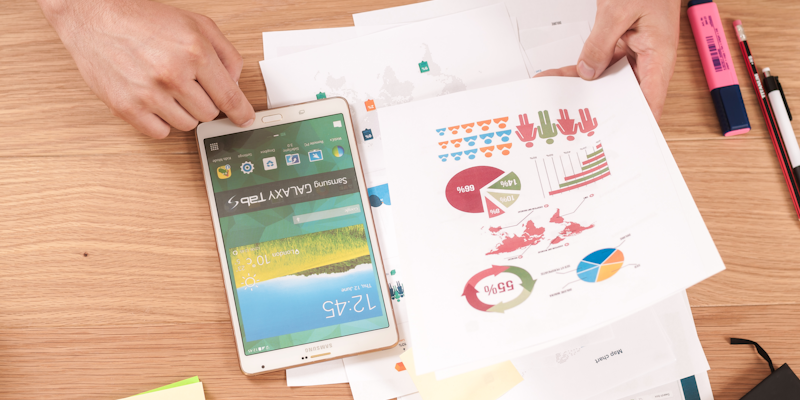
If you're doing multiple blocks per day, strategic planning maximizes your total earnings and minimizes wasted time.
Back-to-Back Block Strategy
- Leave buffer time between blocks (30-45 minutes minimum)
- Choose stations near each other or on your route home
- Finish first block early to grab higher-paying second block
- Consider meal timing to avoid energy crashes
- Stay hydrated and take bathroom breaks between blocks
Optimal Daily Schedule
Morning (5-9 AM): Early blocks have less traffic, cooler temps
Mid-Morning (9-11 AM): Second block or grocery routes
Lunch Break (11-1 PM): Rest, eat, prepare for afternoon
Afternoon (1-5 PM): One more block if energy permits
Evening: Rest and prepare for next day
Avoiding Multi-Block Burnout
- Don't stack more than 3 blocks without significant rest
- Listen to your body and energy levels
- Quality of work decreases when exhausted
- Tired driving is dangerous
10. Sustainable Efficiency
Speed is important, but not at the cost of safety, health, or long-term sustainability. Smart efficiency means consistent performance over months and years.
Sustainable Practices
- Pace yourself: Steady efficiency beats frantic rushing followed by burnout
- Protect your body: Proper lifting technique, comfortable shoes, stretching
- Stay hydrated and fed: Dehydration and low blood sugar slow you down
- Take breaks: Brief rest during long blocks improves overall performance
- Maintain your vehicle: Breakdowns waste far more time than preventive maintenance
When to Slow Down
- Bad weather (ice, heavy rain, fog) requires slower, safer driving
- Unfamiliar areas need extra navigation time
- When you're tired or not feeling well
- Extremely heavy routes that will take full time regardless
- Safety should never be sacrificed for speed
11. Tracking Your Improvement
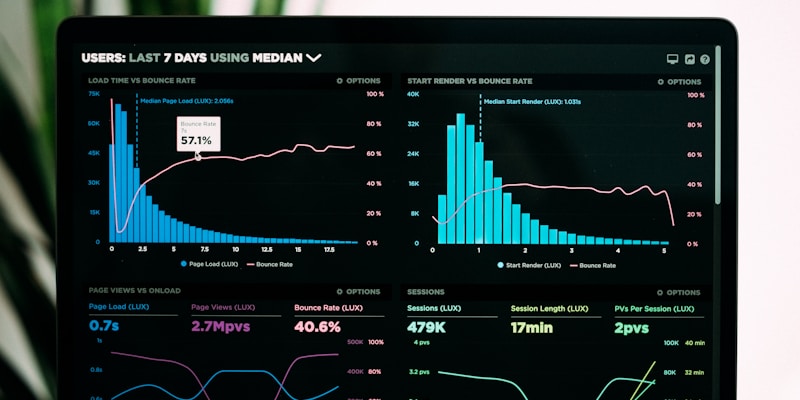
What gets measured gets improved. Tracking your performance helps identify areas for improvement and celebrate progress.
What to Track
- Block duration: Time from station departure to final delivery
- Effective hourly rate: Block pay divided by actual time worked
- Stops per hour: How many deliveries you complete hourly
- Problem stops: Which types of stops slow you down
- Route types: Which stations/times give you efficient routes
Simple Tracking Method
Keep a simple spreadsheet or note with:
| Date | Block | Pay | Time | $/hr | Notes |
|---|---|---|---|---|---|
| 1/15 | 4hr Logistics | $88 | 3.5hr | $25.14 | Suburban route |
| 1/16 | 3hr Fresh | $75 | 2hr | $37.50 | Light route + tips |
Over time, you'll see patterns: which stations give better routes, which times of day are most efficient, and how your speed improves with experience.
12. Advanced Techniques
Once you've mastered the basics, these advanced techniques can shave additional minutes off your routes.
Expert-Level Strategies
Parallel Processing
Start navigation to next stop while walking back to car. Identify next package while waiting at red lights. Always be doing two things when possible.
Muscle Memory Development
Do the same processes the same way every time. Consistent routines become automatic, freeing mental energy for problem-solving.
Area Specialization
Focus on specific stations and areas. Learning a zone inside-out dramatically reduces navigation and access delays.
Weather Preparation
Check forecast before blocks. Having rain gear ready or knowing when to take shelter prevents weather-related delays.
Vehicle Optimization
Keep car cleaned out for maximum package space. Have supplies (flashlight, charger, water) pre-positioned. Reduce fumbling and searching time.
The Ultimate Goal
With practice and these techniques, you may finish some blocks early. Because pay is per block, finishing a 4-hour block in 3 hours raises your effective hourly rate by a third; for example, an $88 block done in 3 hours works out to about $29 an hour. Over many blocks, that efficiency adds up.
Frequently Asked Questions
How can I finish Amazon Flex routes faster?
Key strategies include: organizing packages by stop order before leaving the station, previewing your route to identify potential issues, parking efficiently at each stop, using the itinerary to plan ahead, and developing muscle memory for common apartment complexes. Top drivers finish 3-4 hour routes in 2-2.5 hours.
What's the best way to organize packages in my car?
Organize packages in delivery order or by zone. Many drivers use the driver's side back seat for upcoming stops, the passenger seat for the current stop, and the trunk for later stops. Envelopes and small packages should be visible, not buried under larger boxes.
How do I handle apartments efficiently?
Before arriving, note unit numbers and check for gate codes in delivery notes. Use the Beans app for apartment complex maps. Grab all packages for that complex at once. Park centrally and walk to multiple units rather than moving your car.
Should I follow the Amazon app's route order?
Not always. The app's route is optimized for delivery windows but not always for efficiency. Experienced drivers often reorder stops to minimize backtracking. However, be careful to respect time windows and don't skip stops that have earlier delivery commitments.
Ready to Maximize Your Efficiency?
Explore our complete library of guides to increase earnings and work smarter.
Browse All Guides
About Glen Meade
Founder of FlexDriverGuide and SideQuestHustle.com. I research gig economy platforms, pay policies and public driver discussions to bring you practical strategies. My goal is to help you maximize your earnings while avoiding common pitfalls.