Amazon Flex Cash Flow Management Guide 2026
Master the financial side of gig work with proven strategies for budgeting, expense tracking, tax planning, and building sustainable income as an Amazon Flex driver.

Table of Contents
1. Understanding Gig Economy Financial Reality

Working as an Amazon Flex driver means embracing a fundamentally different financial model than traditional employment. There's no employer withholding taxes, no company-provided benefits, no guaranteed hours, and no predictable paycheck. Understanding these differences is the first step toward building financial stability in the gig economy.
As an independent contractor, you're essentially running a small business. Your vehicle is your primary business asset, your time and driving skills are your services, and every delivery block is a business transaction. This mindset shift is crucial because it affects how you should think about income, expenses, and long-term financial planning.
The flexibility of gig work is both its greatest benefit and its biggest financial challenge. You can work when you want, but that also means your income fluctuates based on block availability, your schedule, seasonal demand, and market conditions. Successful Flex drivers learn to manage this variability through careful planning and disciplined financial habits.
Key Financial Differences as a Contractor
- No automatic tax withholding, you must set aside and pay quarterly
- No employer contribution to Social Security/Medicare, you pay both halves
- No paid time off, sick leave, or vacation pay
- No employer-provided health insurance or retirement plans
- Vehicle expenses are your responsibility entirely
2. Amazon Flex Payment Options Explained
Amazon Flex offers multiple payment methods to accommodate different driver preferences. Understanding these options helps you choose the approach that best fits your cash flow needs while minimizing any associated costs.
The standard payment method is direct deposit to your linked bank account. Amazon processes payments twice weekly, typically depositing on Tuesdays for blocks completed Sunday through Wednesday of the previous week, and Fridays for blocks completed Thursday through Saturday. This predictable schedule makes budgeting easier, as you know exactly when money will arrive.
Amazon Pay's Instant Pay feature provides immediate access to your earnings after completing a block. There's typically a small fee per transfer, which may seem minor but can add up significantly over time. If you transfer daily, those fees could cost you hundreds of dollars annually. Reserve Instant Pay for genuine emergencies rather than using it habitually.
Payment Method Comparison
| Direct Deposit: | Free, twice weekly (Tue/Fri) |
| Instant Pay: | Small fee, immediate access |
Annual Instant Pay fees at daily use could exceed $200-300 per year
3. Tracking Your Earnings Accurately

Accurate earnings tracking is essential for understanding your true income, identifying trends, and making informed decisions about your Flex business. The Amazon Flex app provides basic earnings summaries, but serious drivers maintain their own detailed records for a complete picture.
Create a simple spreadsheet tracking each block's date, station, block type, scheduled pay, actual pay (including tips and adjustments), hours worked, and miles driven. This data reveals patterns such as which stations offer better earnings, which block types maximize your hourly rate, and how your effective earnings change over time.
Don't focus solely on gross pay. Calculate your net earnings by subtracting fuel costs, the per-mile cost of vehicle wear, and your time getting to and from stations. A $90 block might look attractive, but if it requires 30 minutes of unpaid driving to the station and 80 miles of total driving, your real hourly rate could be significantly lower than expected.
Review your earnings data weekly and monthly to spot trends. Are your average earnings increasing or decreasing? Which days and times consistently offer the best opportunities? This analysis helps you optimize your schedule for maximum income while identifying potential issues early.
4. Managing Business Expenses
Every dollar spent on business expenses is a dollar that doesn't reach your pocket. While some expenses are necessary and unavoidable, smart expense management can significantly improve your bottom line. Understanding which costs are essential versus optional helps you make informed spending decisions.
Fuel is typically your largest variable expense. Track your fuel costs carefully and look for ways to reduce them: use gas rewards programs, fill up at consistently cheaper stations, maintain proper tire pressure for fuel efficiency, and avoid aggressive driving that wastes fuel. A fuel-efficient vehicle can save thousands annually compared to a gas-guzzler.
Vehicle maintenance costs are significant but controllable. Following your manufacturer's recommended maintenance schedule prevents expensive repairs. Learn to perform basic maintenance yourself, such as oil changes, air filter replacements, and wiper blade installations. Shop around for major repairs and don't assume the dealer is always the best option.
Essential vs. Optional Expenses
Essential:
- Fuel
- Insurance
- Basic maintenance
- Phone/data plan
Optional but useful:
- Premium phone mount
- Insulated bags
- Portable charger
- Weather gear
5. Budgeting with Variable Income

Traditional budgeting assumes a predictable income, but Flex drivers face weekly and monthly earnings that can vary by 50% or more. Effective budgeting for variable income requires a different approach focused on flexibility, priorities, and building financial buffers.
Start by calculating your baseline expenses: the absolute minimum you need each month for housing, utilities, food, insurance, and debt payments. This becomes your financial floor, the minimum you must earn to survive. Structure your block schedule to reliably cover this amount first before considering discretionary spending.
Use the "average income" budgeting method: calculate your average earnings over the past three to six months and budget based on that figure rather than your highest-earning month. During above-average weeks, save the excess rather than increasing spending. During below-average weeks, you'll have those savings to draw from.
Categorize expenses into three tiers: essential (must pay regardless of income), important (should pay but can delay briefly), and discretionary (nice to have but fully optional). When earnings are low, focus on essentials. When earnings exceed your average, catch up on important expenses and consider adding to savings before increasing discretionary spending.
6. Tax Planning for Independent Contractors
Taxes represent one of the biggest financial challenges for new Flex drivers. Without employer withholding, you're responsible for setting aside money and making quarterly estimated tax payments. Failing to plan properly can result in a devastating tax bill and penalties at year-end.
As an independent contractor, you owe self-employment tax of 15.3% on your net earnings (after deductions). This covers Social Security and Medicare taxes that would be split with an employer in traditional employment. On top of this, you owe federal income tax at your marginal rate and potentially state income tax depending on where you live.
The safe harbor approach is setting aside 25-30% of your gross earnings for taxes. Open a separate savings account specifically for tax money and transfer this percentage immediately when you receive payment. Treat this money as untouchable, as if it doesn't exist. This prevents the common trap of spending money you'll owe to the IRS.
Quarterly Tax Payment Deadlines
- Q1 (Jan-Mar): Due April 15
- Q2 (Apr-May): Due June 15
- Q3 (Jun-Aug): Due September 15
- Q4 (Sep-Dec): Due January 15 (following year)
Underpaying estimated taxes can result in penalties even if you pay in full at tax time
7. Maximizing Tax Deductions
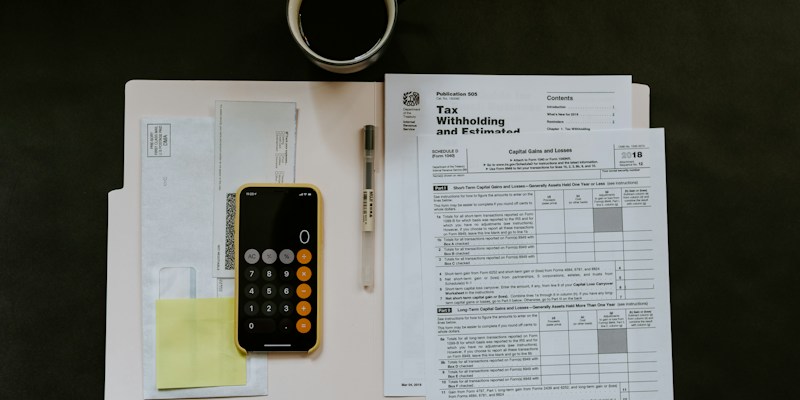
Tax deductions reduce your taxable income, lowering your overall tax burden. As a Flex driver, you have access to numerous legitimate deductions that can save thousands of dollars annually. The key is maintaining proper records to substantiate your deductions if audited.
The mileage deduction is typically your largest. For 2026, the standard mileage rate is 72.5 cents per mile for trips from 1/1 to 6/30 and 76 cents from 7/1. Track every business mile using a mileage tracking app that logs trips automatically. Business miles include driving to and from stations, miles during deliveries, and even trips to buy supplies for your Flex work. Over a year, this deduction alone can represent thousands of dollars.
Your phone and data plan are partially deductible based on business use percentage. If you use your phone 60% for Flex work, you can deduct 60% of your phone and plan costs. Similarly, any equipment purchased for work, such as phone mounts, insulated bags, flashlights, and dolly carts, is fully deductible.
Common Deductible Expenses
- Business mileage (76 cents/mile from 7/1/2026, 72.5 cents before)
- Phone/data plan (business use percentage)
- Parking fees and tolls
- Car washes for delivery vehicle
- Phone mounts, chargers, cables
- Insulated bags and delivery equipment
- Portion of car insurance if not using mileage method
- Tax preparation software or professional fees
8. Building Your Emergency Fund
An emergency fund is non-negotiable for gig workers. Without paid sick leave or unemployment insurance, unexpected events can quickly become financial disasters. Your emergency fund is your safety net, covering expenses when you can't work or when major unexpected costs arise.
The standard recommendation is saving three to six months of essential expenses. For Flex drivers, aim toward the higher end because your income is variable and vehicle problems could sideline you without warning. If your essential monthly expenses are $3,000, target an emergency fund of $12,000-18,000.
Build your emergency fund gradually by automating transfers from each payment. Even $50 per week adds up to $2,600 annually. During particularly good weeks, boost your contribution. The key is consistency; treat emergency fund contributions as a non-negotiable bill rather than optional savings.
Keep emergency funds in a high-yield savings account, separate from your regular checking to reduce temptation. The fund should be accessible within one to two days but not so accessible that you dip into it for non-emergencies. Define what constitutes an emergency before you need the money: major vehicle repairs, medical emergencies, and temporary inability to work qualify; new TV or vacation do not.
9. Managing Debt as a Gig Worker

Debt creates fixed obligations that become increasingly burdensome with variable income. Interest payments drain money that could go toward savings or improving your quality of life. For Flex drivers, aggressive debt reduction should be a priority once basic emergency savings are established.
High-interest debt, particularly credit cards, should be tackled first. The avalanche method (paying highest interest rates first) saves the most money, while the snowball method (paying smallest balances first) provides psychological wins that motivate continued progress. Choose the approach that you'll actually stick with.
Avoid taking on new debt while working to pay off existing obligations. The variable nature of gig income makes debt particularly risky because you can't guarantee the earnings to service it. If considering a vehicle purchase, aim for the minimum reliable car rather than financing a newer, more expensive model that strains your budget.
Debt Payoff Priority Order
- Credit cards and payday loans (highest interest)
- Personal loans
- Auto loans
- Student loans
- Mortgage (lowest priority due to low rates and potential tax benefits)
10. Retirement Planning for Flex Drivers
Without employer-sponsored retirement plans, Flex drivers must take complete responsibility for their retirement savings. The good news is that self-employed individuals have access to retirement accounts with higher contribution limits than traditional 401(k)s, providing significant tax advantages.
A SEP-IRA (Simplified Employee Pension) allows contributions of up to 25% of your net self-employment earnings, up to $66,000 for 2024. Contributions are tax-deductible, reducing your current tax burden while building retirement savings. A Solo 401(k) offers similar contribution limits with additional flexibility including Roth contributions.
Even small contributions add up through compound growth. Contributing $200 per month starting at age 30, earning 7% average annual returns, would grow to over $240,000 by age 65. Starting earlier or contributing more dramatically increases this figure. The key is beginning now rather than waiting for the "perfect" time.
Consider retirement contributions part of your expense planning rather than an afterthought. Automate transfers to your retirement account, treating them like any other bill. When your income increases, increase your retirement contributions proportionally before increasing lifestyle spending.
11. Financial Tools and Apps
Modern technology provides numerous tools to simplify financial management for gig workers. The right apps can automate tracking, provide insights, and reduce the time you spend managing finances. Investing a few minutes setting up these tools pays dividends in better financial awareness and tax preparation.
Mileage tracking apps are essential for capturing your largest deduction accurately. Apps like Stride, Everlance, and MileIQ automatically log trips using your phone's GPS. They can categorize business versus personal miles and generate reports suitable for tax preparation. The cost of premium versions is often worthwhile for the accuracy and convenience they provide.
Budgeting apps designed for variable income, such as YNAB (You Need A Budget) or similar tools, help you allocate money to categories and adjust when income fluctuates. Expense tracking apps photograph receipts and categorize spending automatically. Tax preparation software like TurboTax Self-Employed or H&R Block guides you through self-employment tax filing.
Recommended Financial Tools
- Mileage: Stride, Everlance, MileIQ
- Budgeting: YNAB, Mint, PocketGuard
- Expense tracking: Wave, Expensify, QuickBooks
- Tax prep: TurboTax Self-Employed, H&R Block
- Banking: High-yield savings accounts from online banks
12. Frequently Asked Questions
How often does Amazon Flex pay drivers?
Amazon Flex offers two payment options: direct deposit twice per week (Tuesday and Friday) or Instant Pay through Amazon Pay for immediate access to your earnings. Instant Pay is available after each completed block, though there's a small fee. Most drivers prefer the twice-weekly deposits for budgeting predictability and to avoid cumulative fees.
What percentage of Amazon Flex earnings should I save for taxes?
Most financial advisors recommend setting aside 25-30% of your gross Amazon Flex earnings for taxes. As an independent contractor, you're responsible for self-employment tax (15.3%) plus federal and state income taxes. The exact percentage depends on your total income and tax bracket. Quarterly estimated tax payments are required to avoid penalties at year-end.
What expenses can Amazon Flex drivers deduct on taxes?
Amazon Flex drivers can deduct business miles (76 cents per mile for trips from 7/1/2026, 72.5 cents before), phone and data plan portions used for work, car maintenance and repairs related to delivery work, parking fees, tolls, car washes, and necessary supplies like phone mounts and insulated bags. Keep detailed records and receipts for all deductible expenses throughout the year.
How can I budget effectively with variable Amazon Flex income?
Budget based on your minimum expected income rather than your highest-earning months. Track your average weekly earnings over several months to establish a baseline. Build an emergency fund covering 3-6 months of expenses, prioritize essential expenses first, and treat above-average earnings as savings or debt payoff opportunities rather than increased spending.
Take Control of Your Finances
Smart financial management transforms Amazon Flex from a gig into a sustainable income source. Start implementing these strategies today to build long-term financial security.
Explore More Guides
About Glen Meade
Founder of FlexDriverGuide and SideQuestHustle.com. I research gig economy platforms, pay policies and public driver discussions to bring you practical strategies. My goal is to help you maximize your earnings while avoiding common pitfalls.