1 Gig Income
Combined earnings from all gig apps (Amazon Flex, DoorDash, etc.)
Essential Gear for Gig Drivers
Tax-deductible equipment that can increase your earnings and deductions:
Phone Mount
Hands-free navigation essential
Insulated Bags
Keep deliveries at proper temp
Portable Charger
Never run out of battery
Dash Cam
Protect against false claims
Trunk Organizer
Keep packages sorted
Mileage Log Book
Track deductions properly
As an Amazon Associate, we earn from qualifying purchases. All equipment purchases are tax-deductible business expenses.
2 Mileage Deduction
Miles driven for deliveries (not commuting to first pickup)
3 Other Deductions
Car washes, safety equipment, etc.
4 Filing Status
Income from W-2 jobs or other sources
Tax Estimate Summary
Income
Estimated Taxes
Quarterly Payments Due
Due Dates:
- Q1: April 15, 2026
- Q2: June 16, 2026
- Q3: September 15, 2026
- Q4: January 15, 2026
Percentage of gross income going to taxes
Your Deductions Saved You
In taxes you don't have to pay thanks to tracking deductions
Common Gig Worker Deductions Checklist
Vehicle Expenses
- +Mileage ($0.76/mile for trips from 7/1/2026 ($0.725 before))
- +Parking fees while delivering
- +Tolls for delivery routes
- +Car washes (business portion)
Equipment & Supplies
- +Insulated delivery bags
- +Phone mount & charger
- +Dollies/carts for packages
- +Safety equipment (vest, flashlight)
Technology & Services
- +Phone/data plan (business %)
- +GPS/navigation apps
- +Mileage tracking apps
- +Tax preparation software
Frequently Asked Questions
What is the 2026 IRS mileage rate for gig workers?
The IRS set two 2026 business mileage rates: 72.5 cents per mile for trips from 1/1 to 6/30/2026 and 76 cents from 7/1/2026. This calculator uses 76 cents. This rate applies to all gig workers including Amazon Flex, DoorDash, Uber Eats, and Instacart drivers.
Do I have to pay quarterly taxes as a gig worker?
If you expect to owe $1,000 or more in taxes for the year, the IRS requires you to make quarterly estimated tax payments. Due dates are April 15, June 15, September 15, and January 15.
What is self-employment tax?
Self-employment tax is 15.3% of your net earnings (12.4% for Social Security and 2.9% for Medicare). As a gig worker, you pay both the employer and employee portions of these taxes.
Should I use mileage deduction or actual expenses?
Most gig workers benefit more from the standard mileage deduction ($0.76/mile from 7/1/2026). It's simpler to track and often results in larger deductions. However, if you have high vehicle costs, calculate both methods to see which saves more.
Need More Tax Help?
Check out our comprehensive tax guide for gig workers.
Complete Gig Tax Guide
About Glen Meade
Founder of FlexDriverGuide and SideQuestHustle.com. I research gig economy platforms, pay policies and public driver discussions to bring you practical strategies. My goal is to help you maximize your earnings while avoiding common pitfalls.
The companion books
Keep more of every block, and every dollar after taxes.

by Jordan Hale
A plain-English guide to 1099 income, quarterly estimated payments, deductions, and record-keeping for gig workers and freelancers.

The Delivery Driver's Profit Playbook
by Jordan Hale
How to earn more per hour on Amazon Flex, DoorDash, Uber Eats, Instacart and Walmart Spark, track every mile, and keep more after taxes.
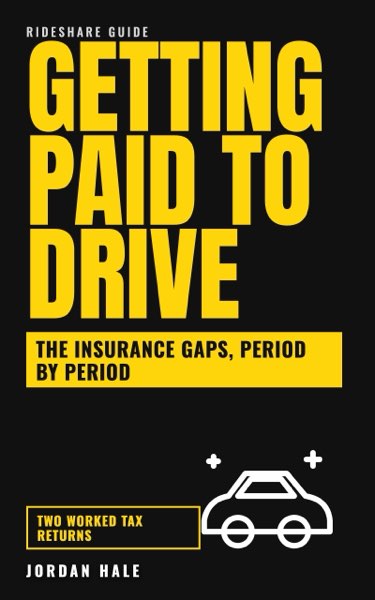
by Jordan Hale
The rideshare driver's guide to Uber, Lyft, surge pricing, airport queues and insurance gaps, with the real hourly rate after costs, wear, and self-employment tax.